the kasbah route
part of the series “mahendra’s morocco”
© mahendra myshkin 2025
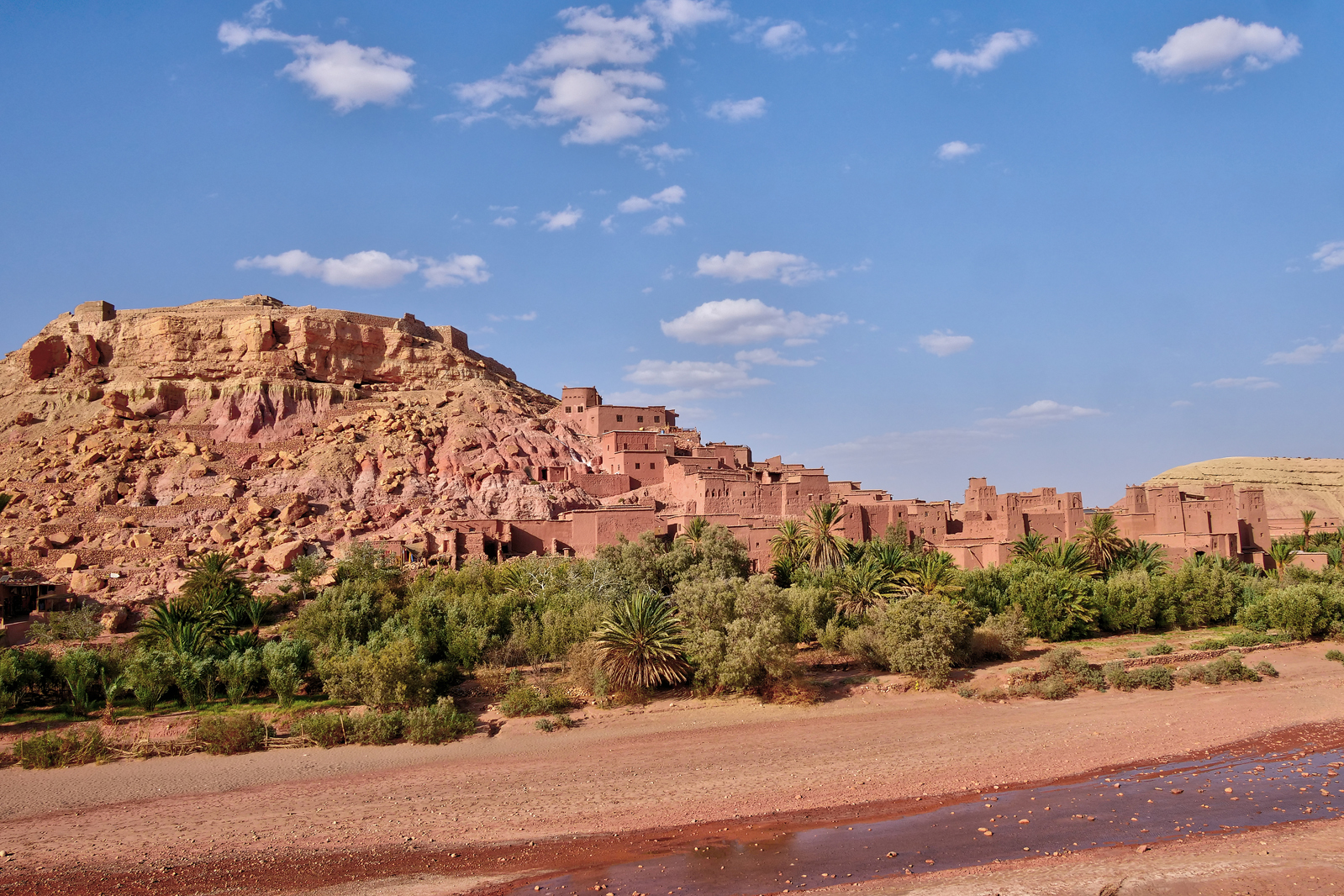
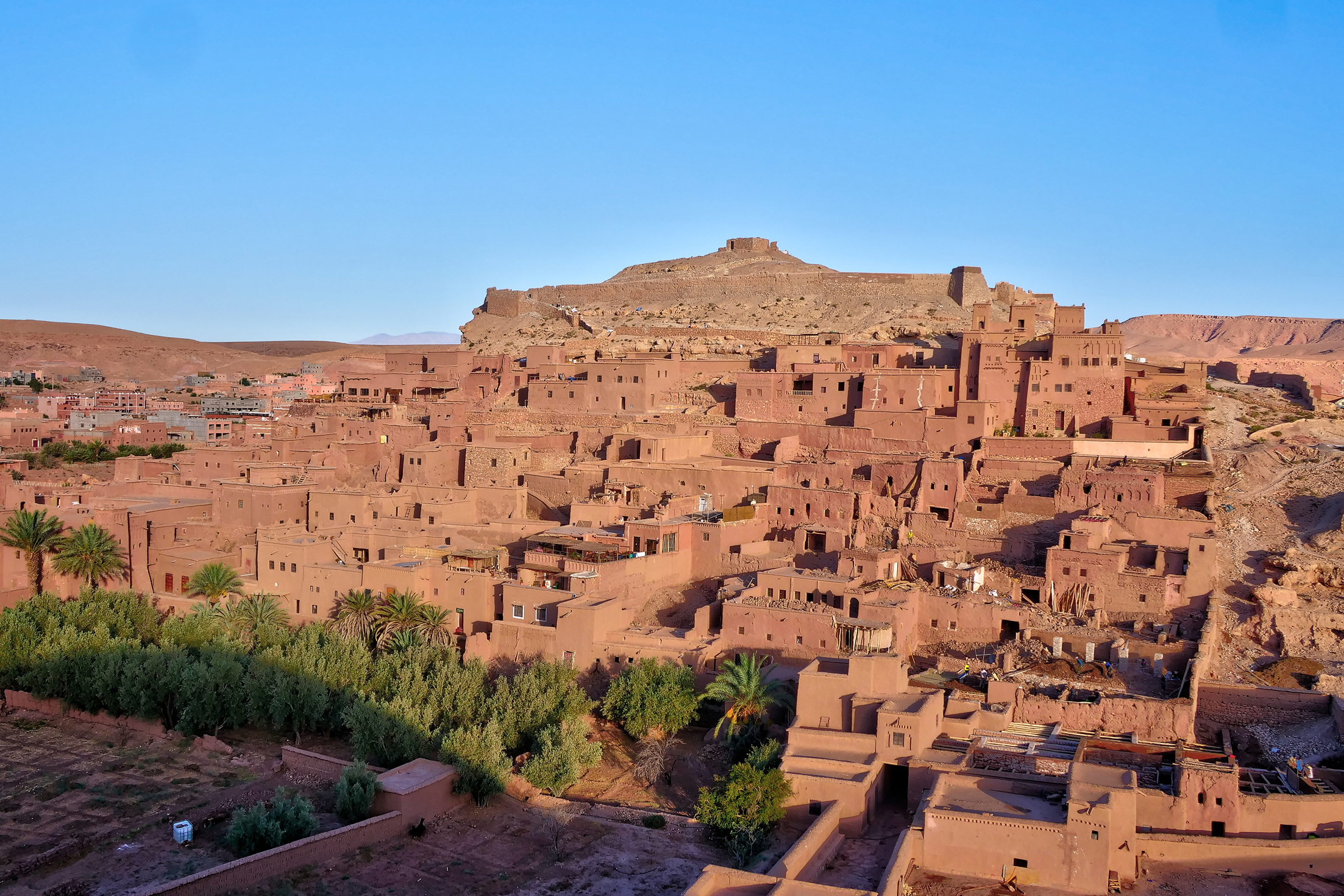
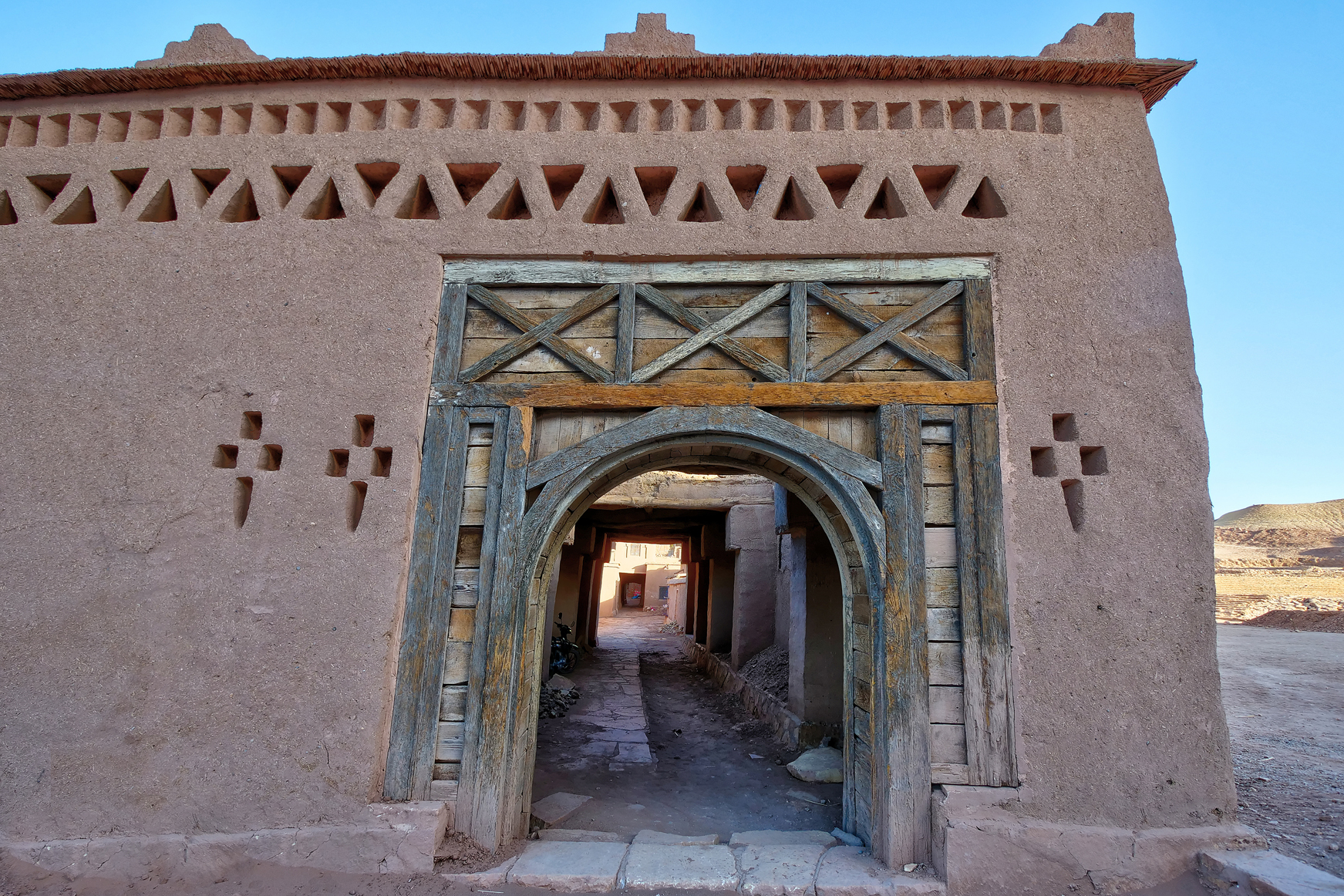
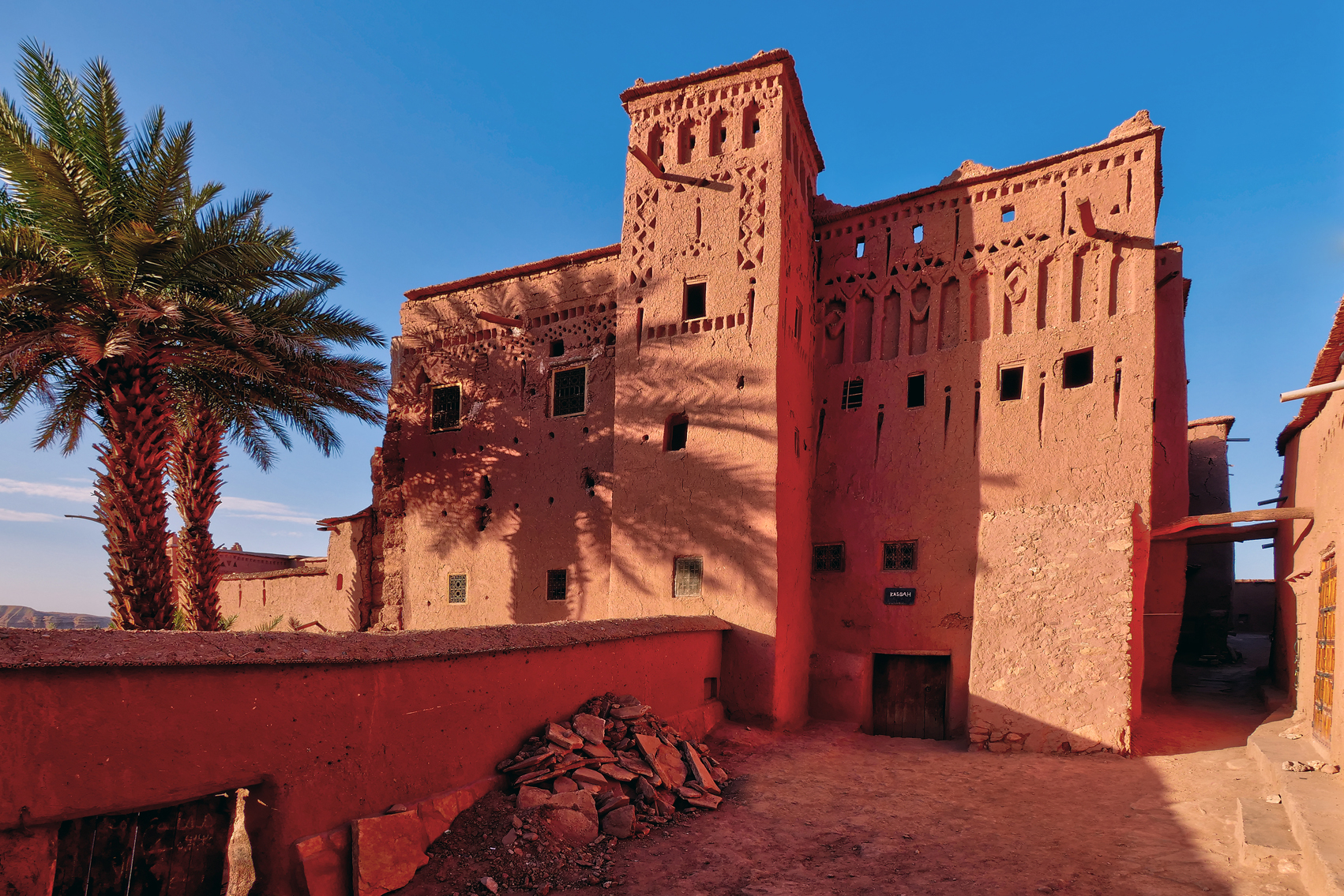
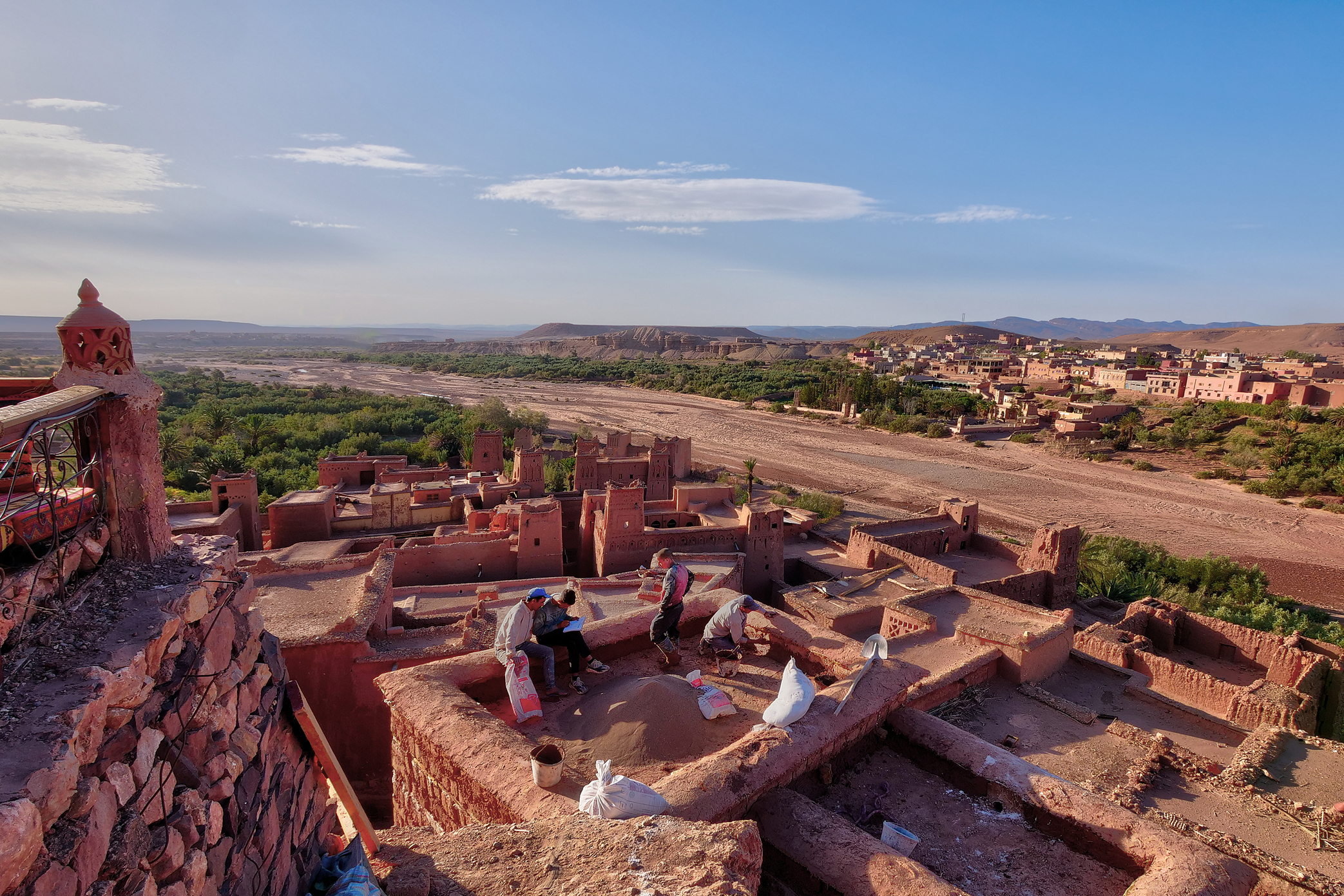
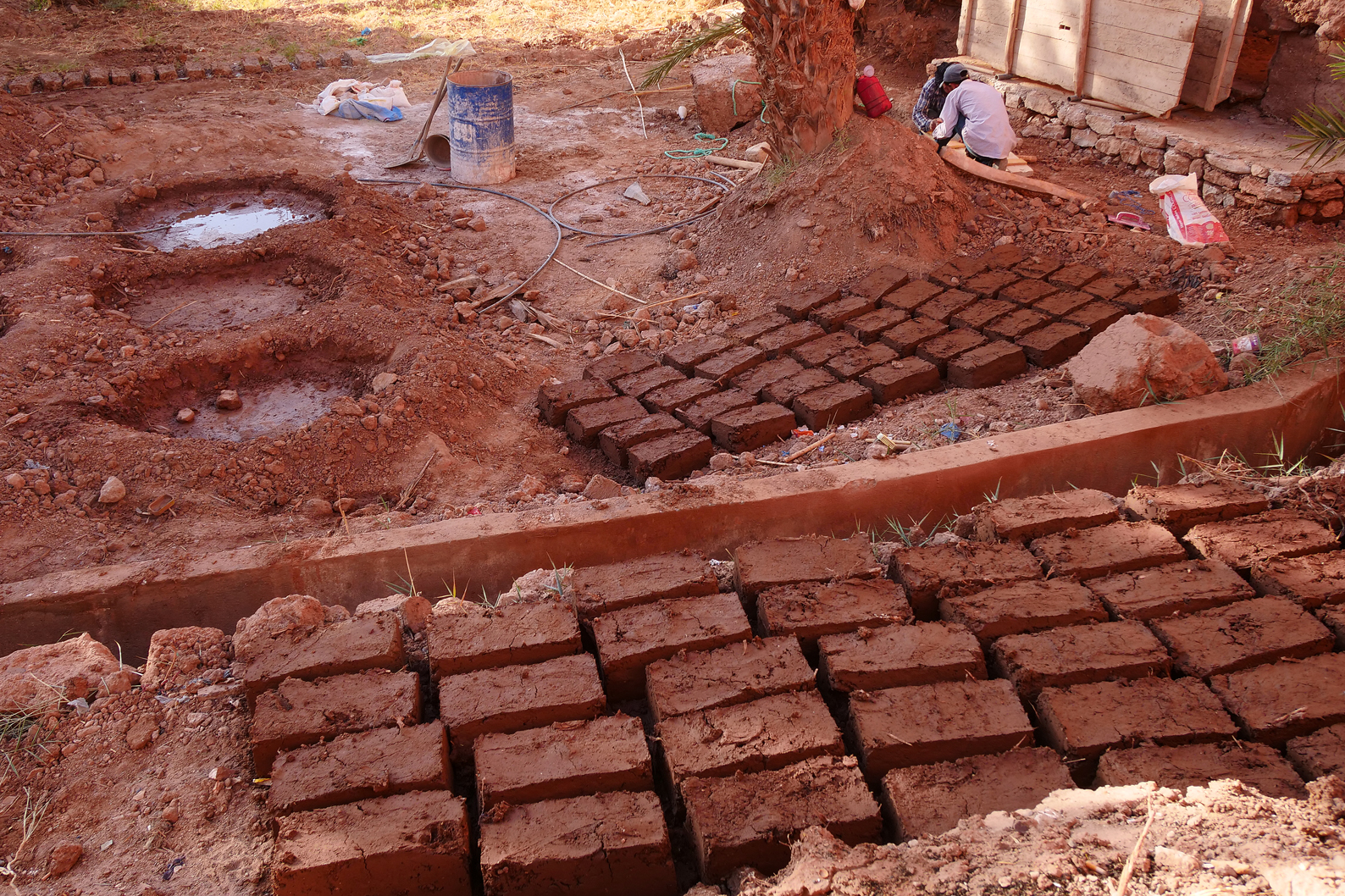
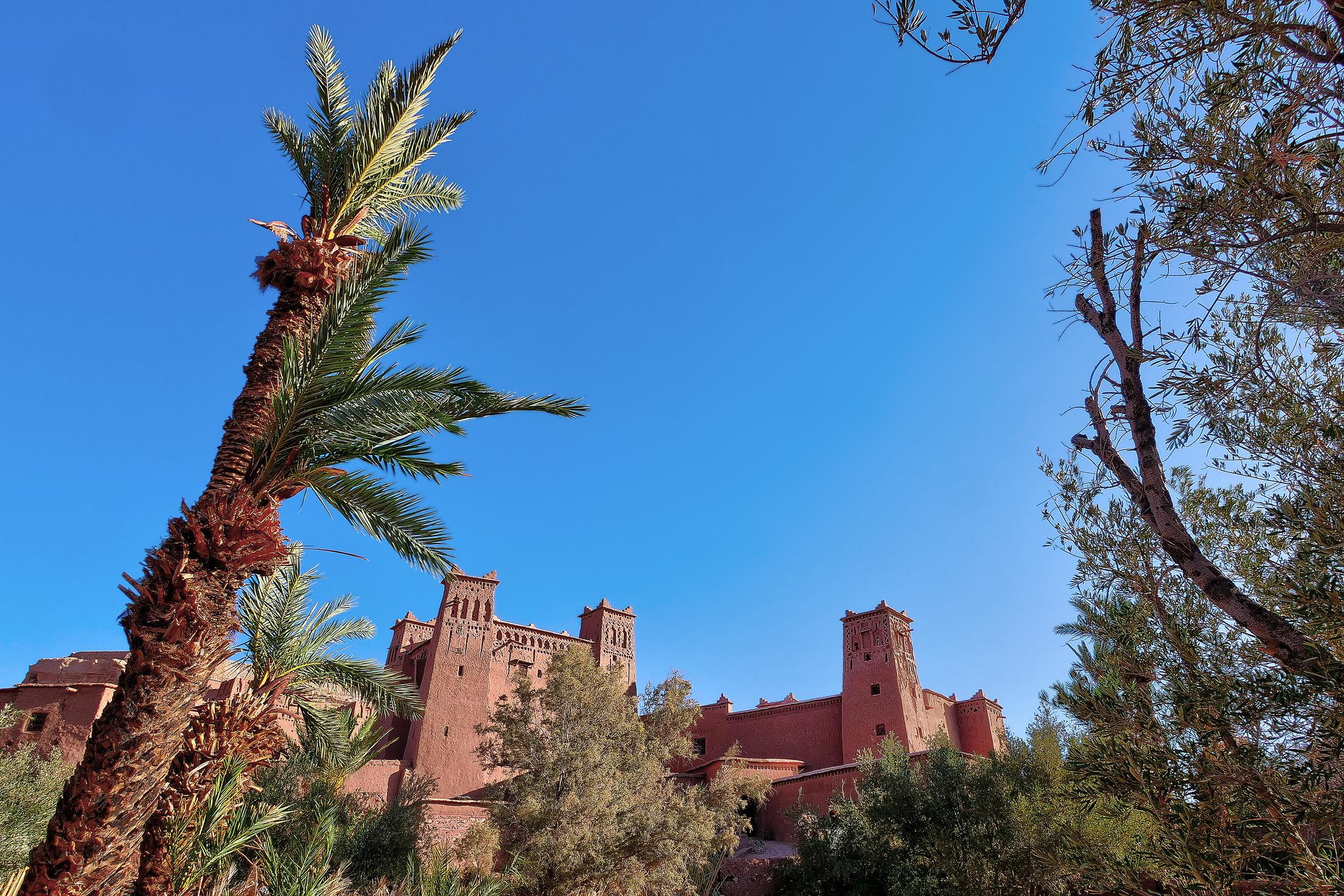
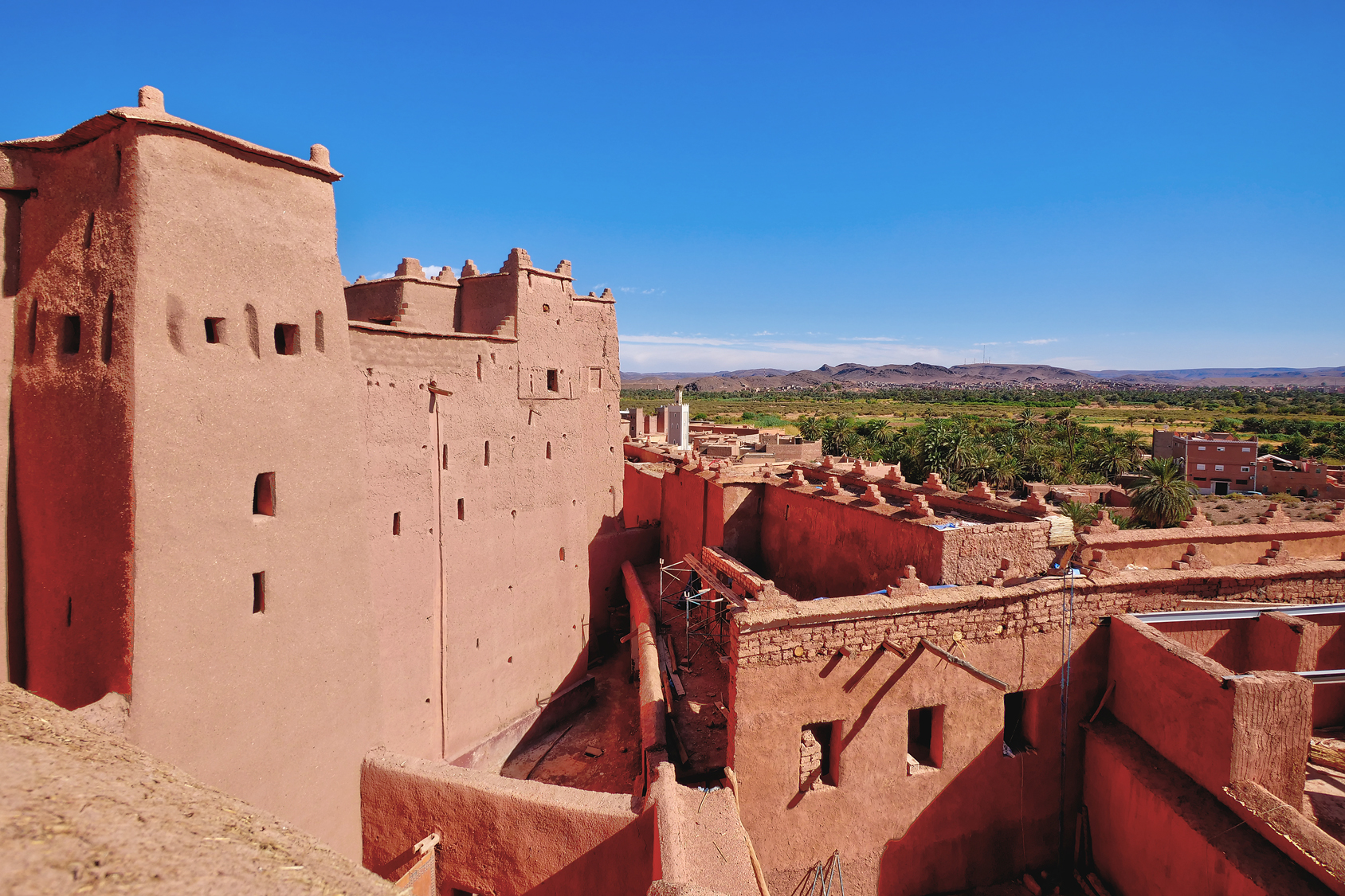
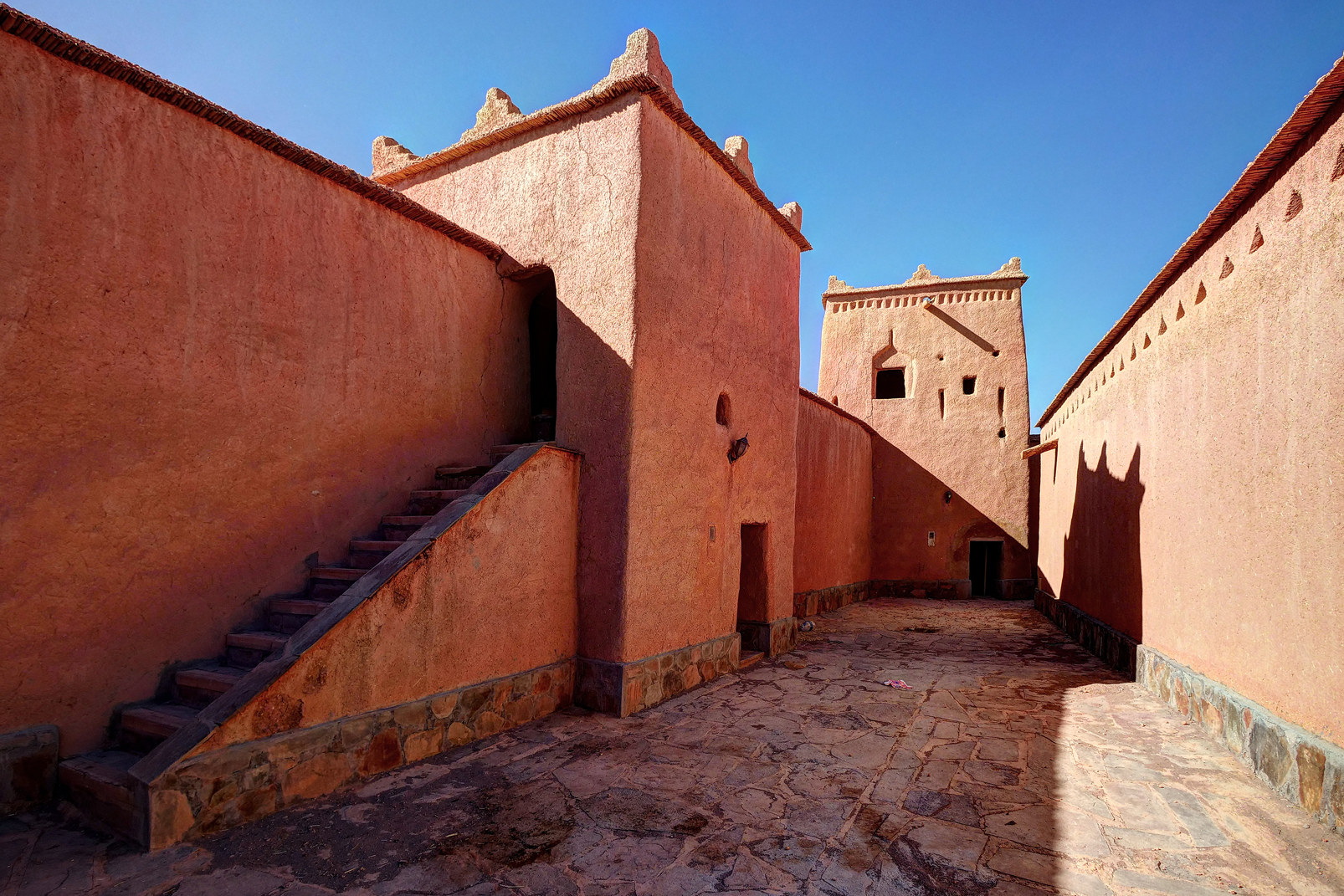
Kasbahs are fortified residences, traditionally built from rammed earth, stone, or adobe, that served both as family homes and defensive strongholds by Berber tribes. They usually belonged to local rulers or powerful clans and were often located along trade routes to control commerce and protect caravans. The thick earthen walls provided natural insulation, keeping the interiors cool in the summer heat and retaining warmth in winter. Today many kasbahs in southern Morocco stand partly in ruins, but they remain striking examples of vernacular architecture and regional history.
telouet & ounila valley
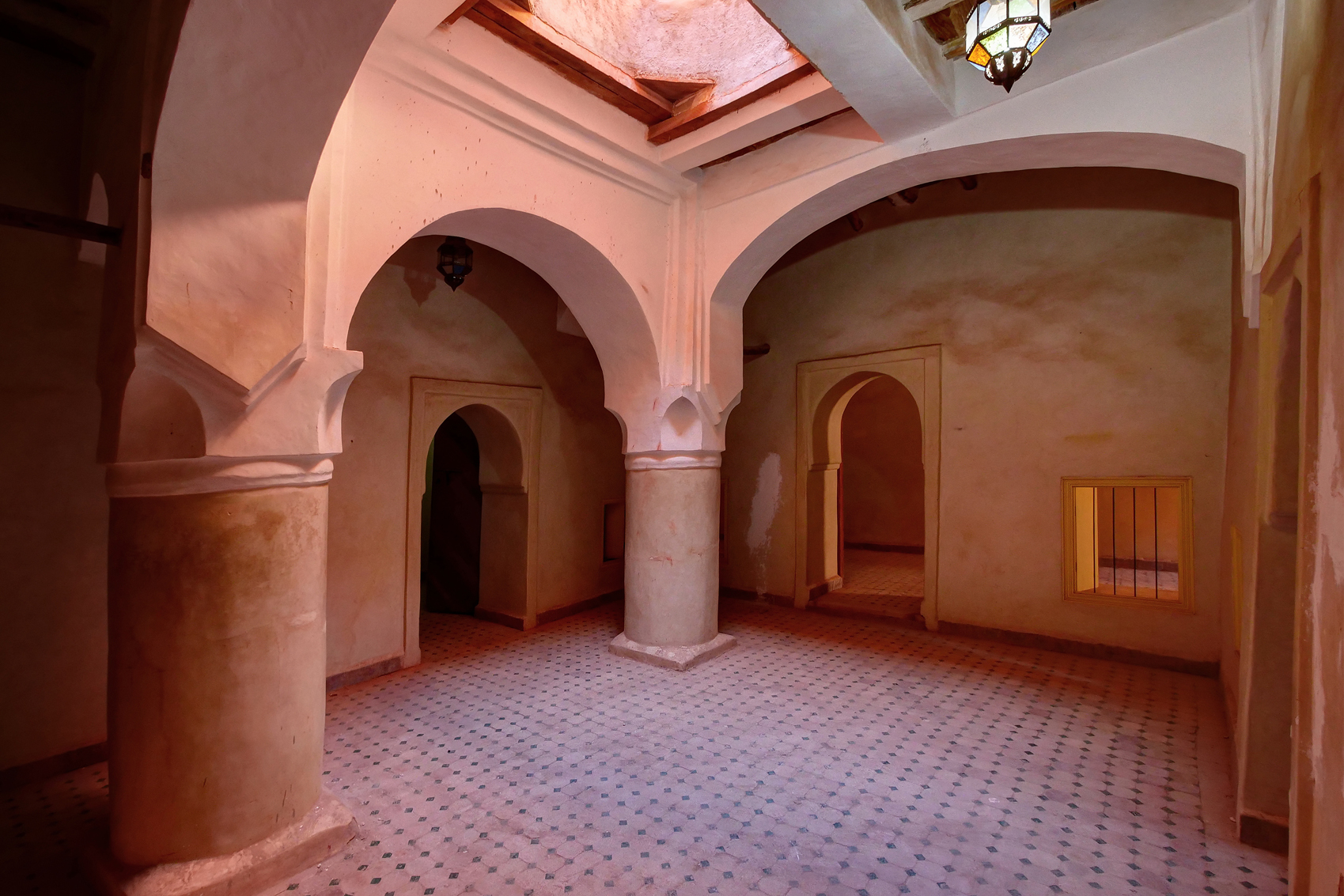
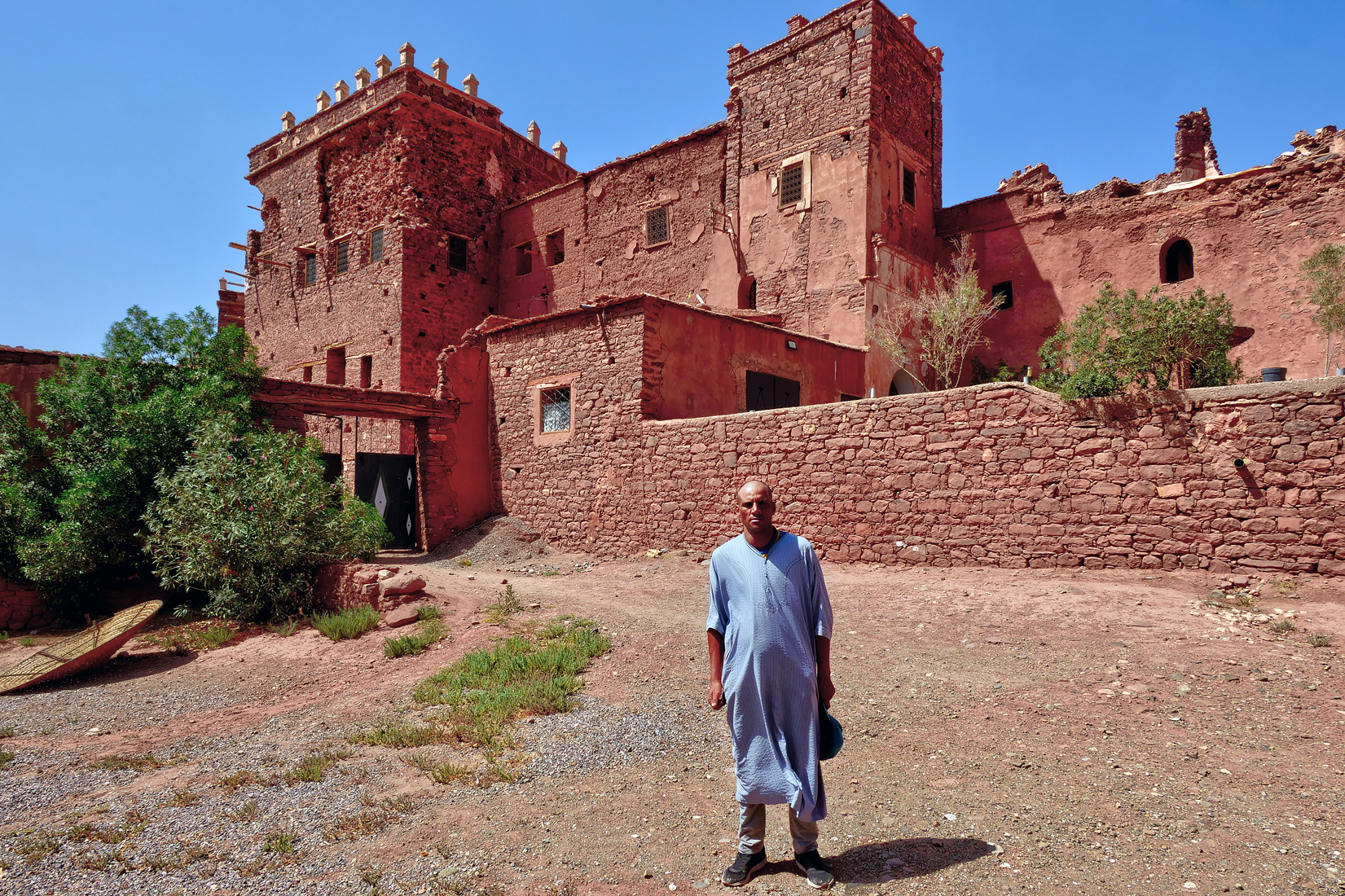
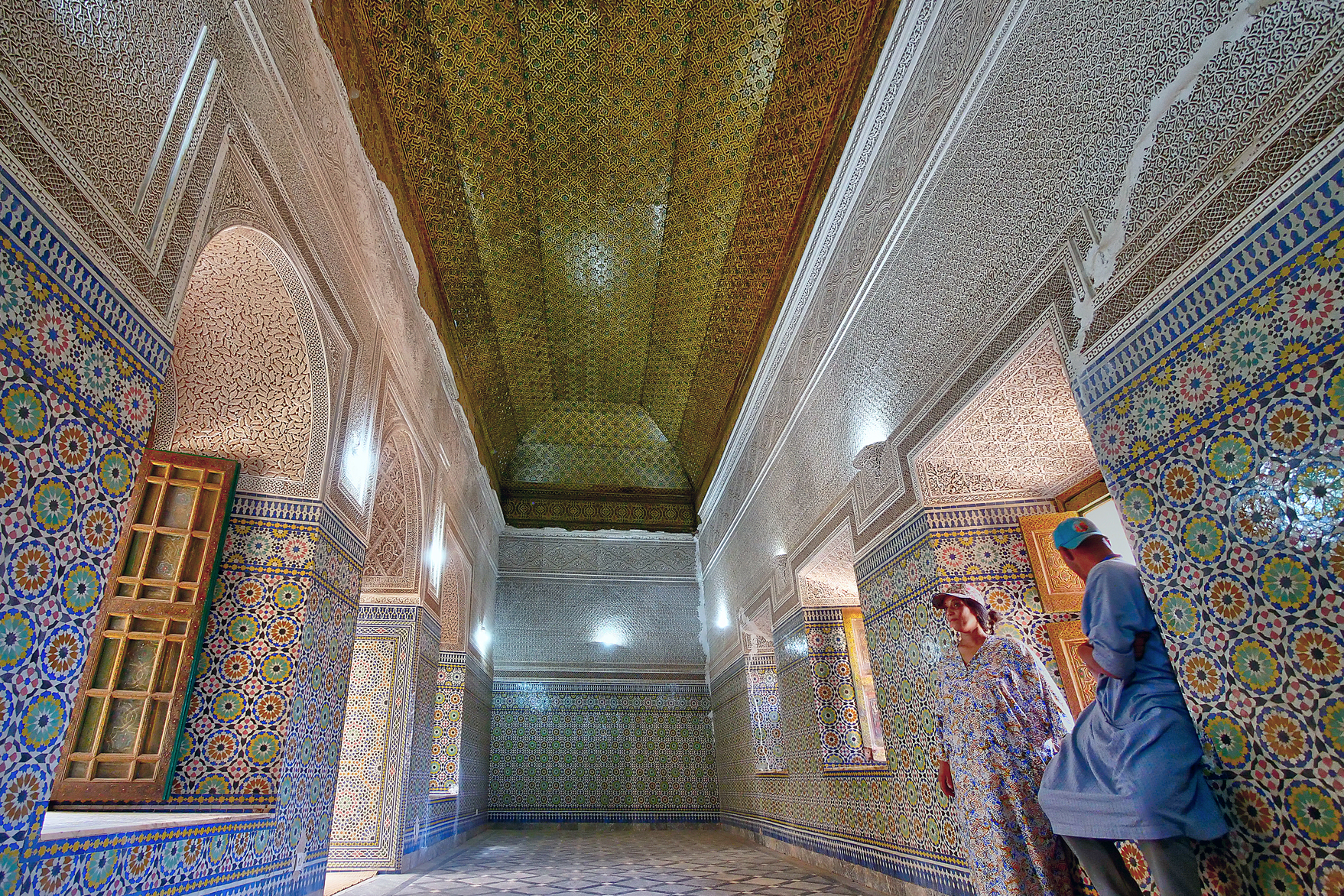
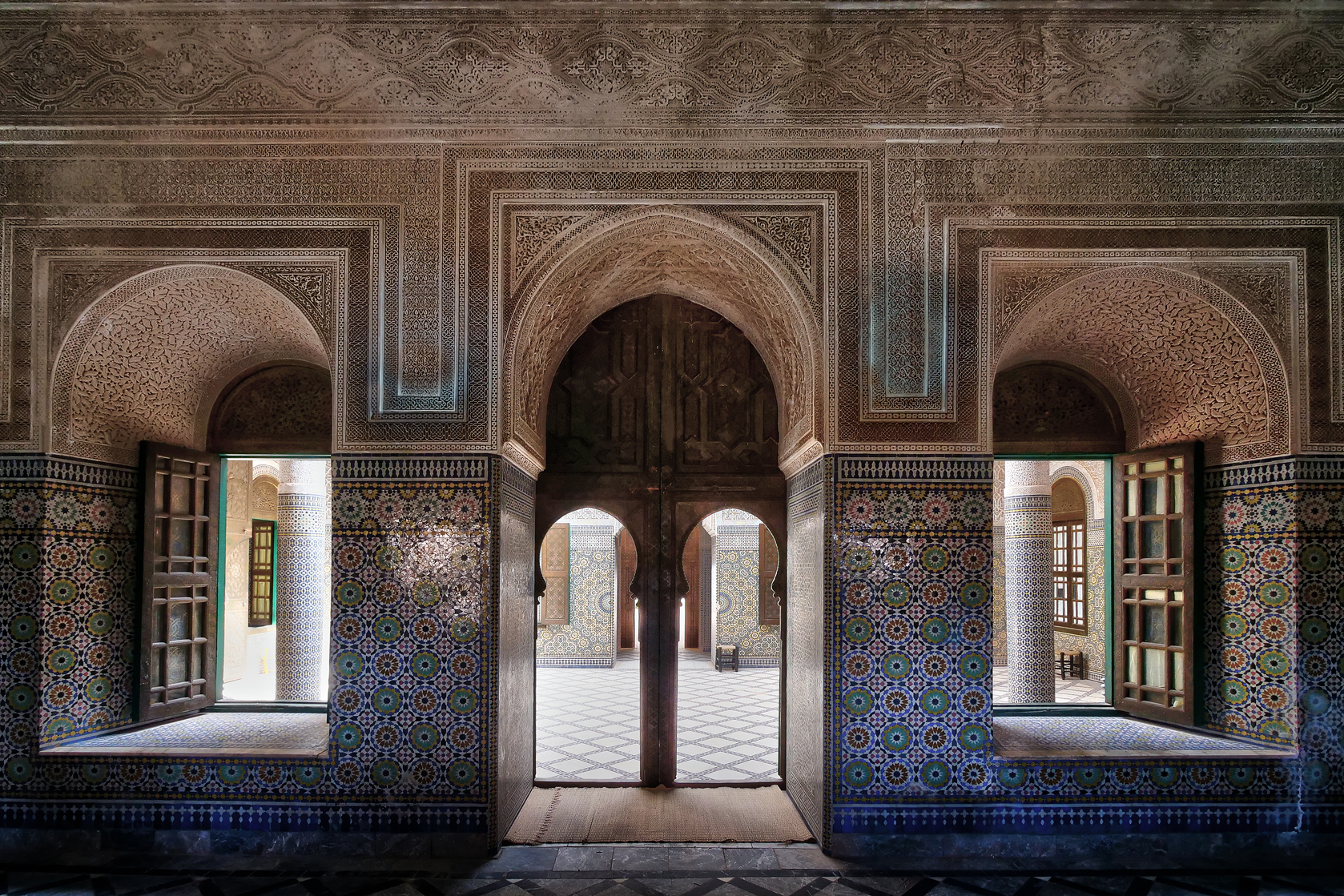
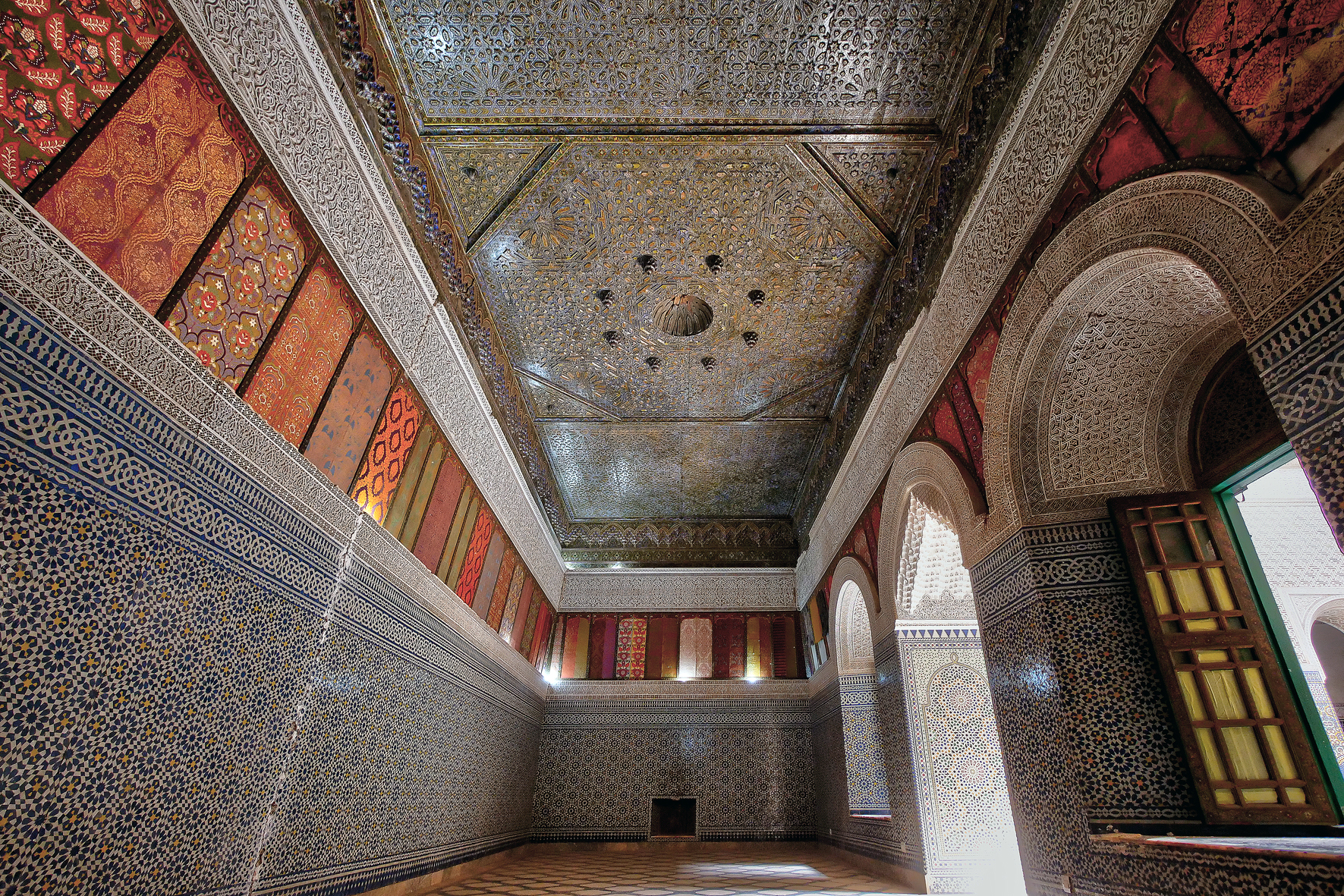
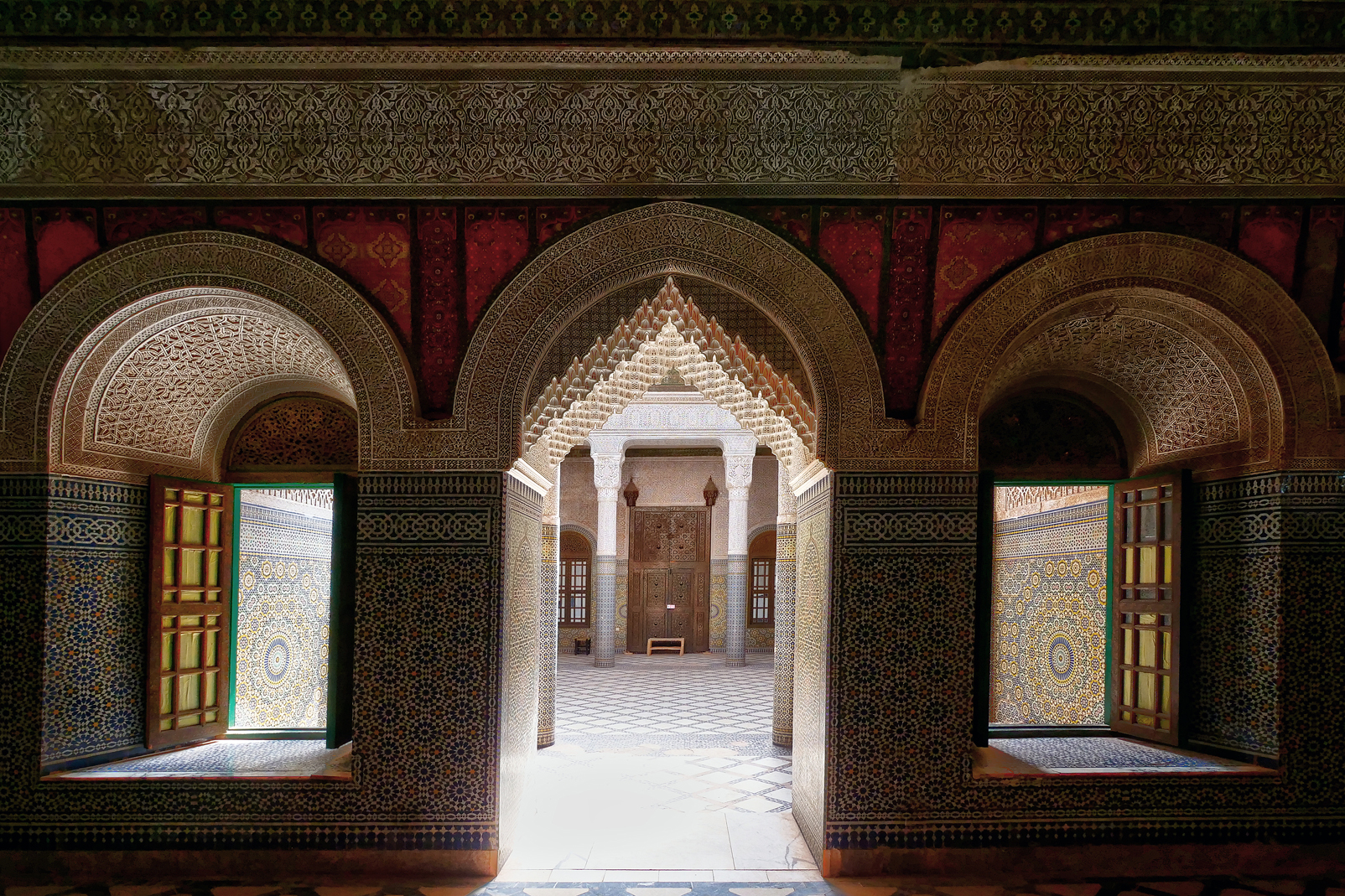
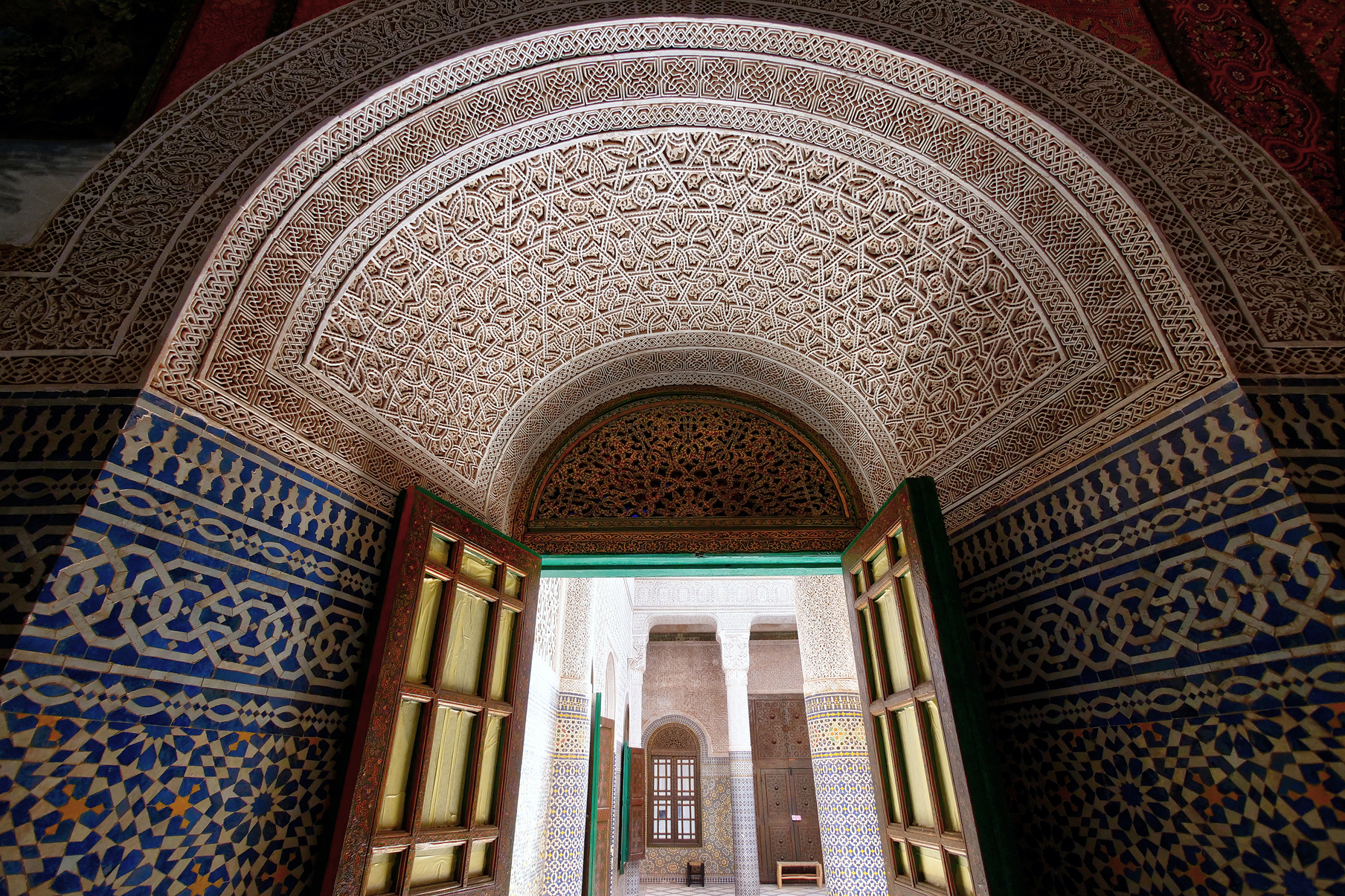
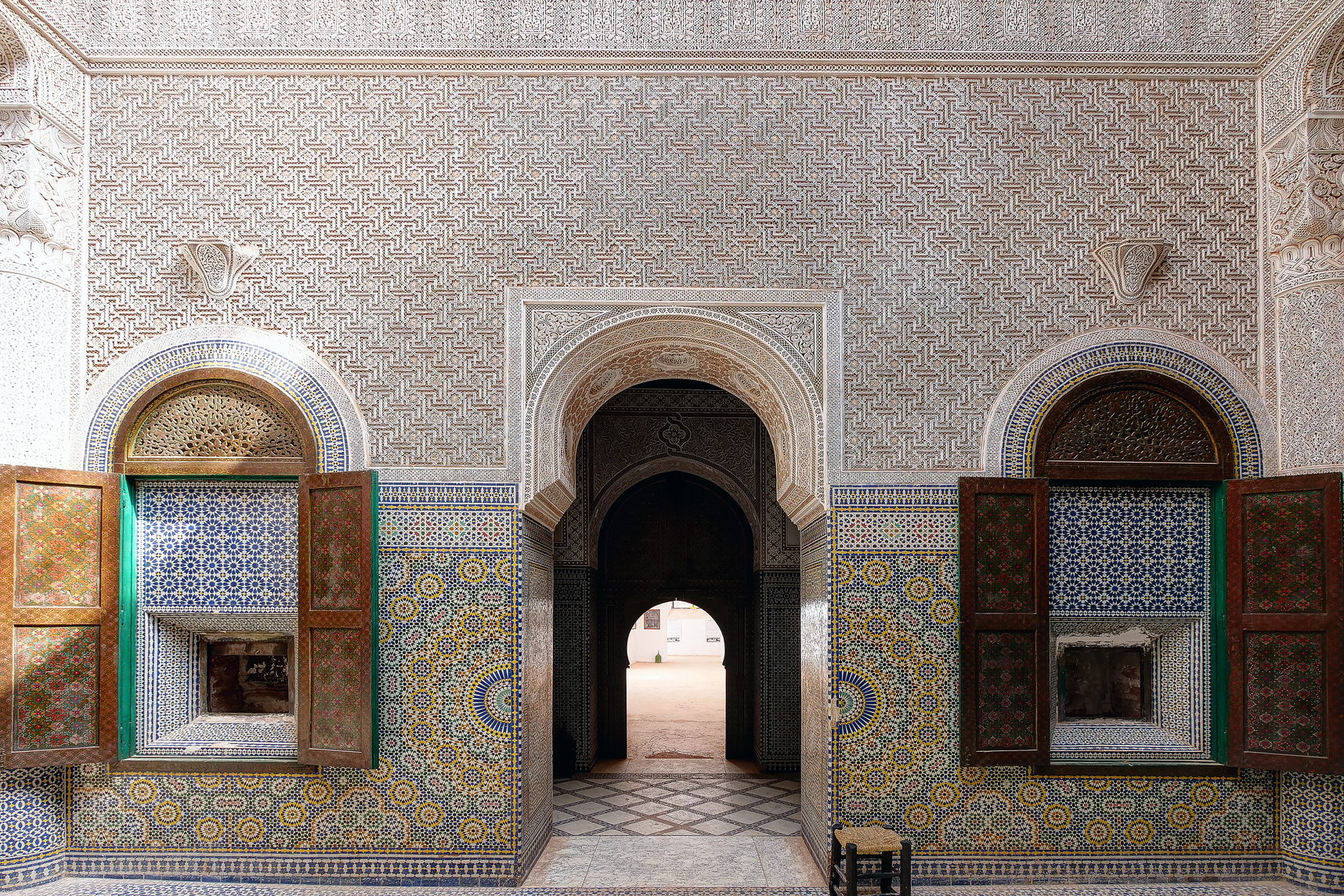
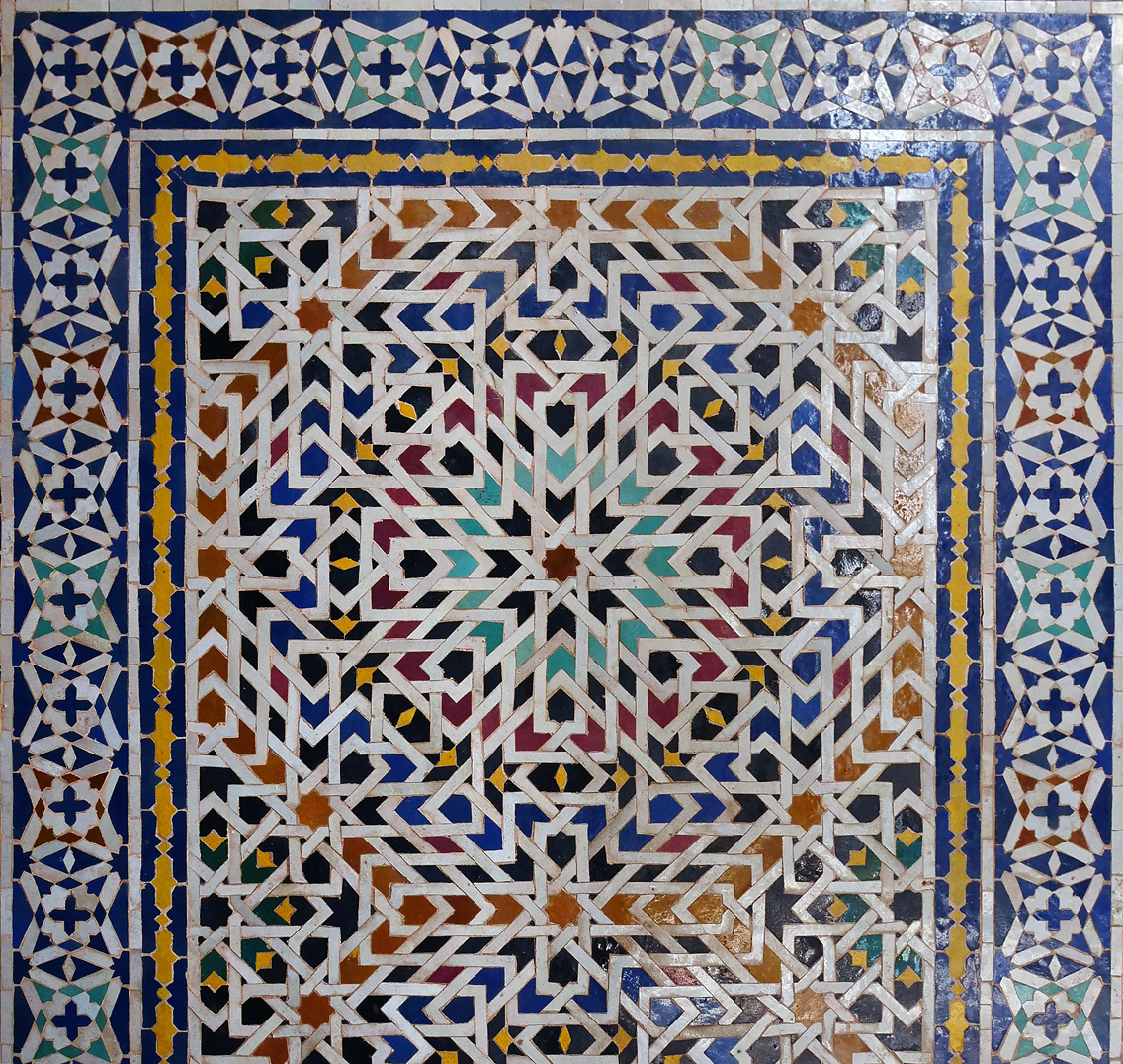
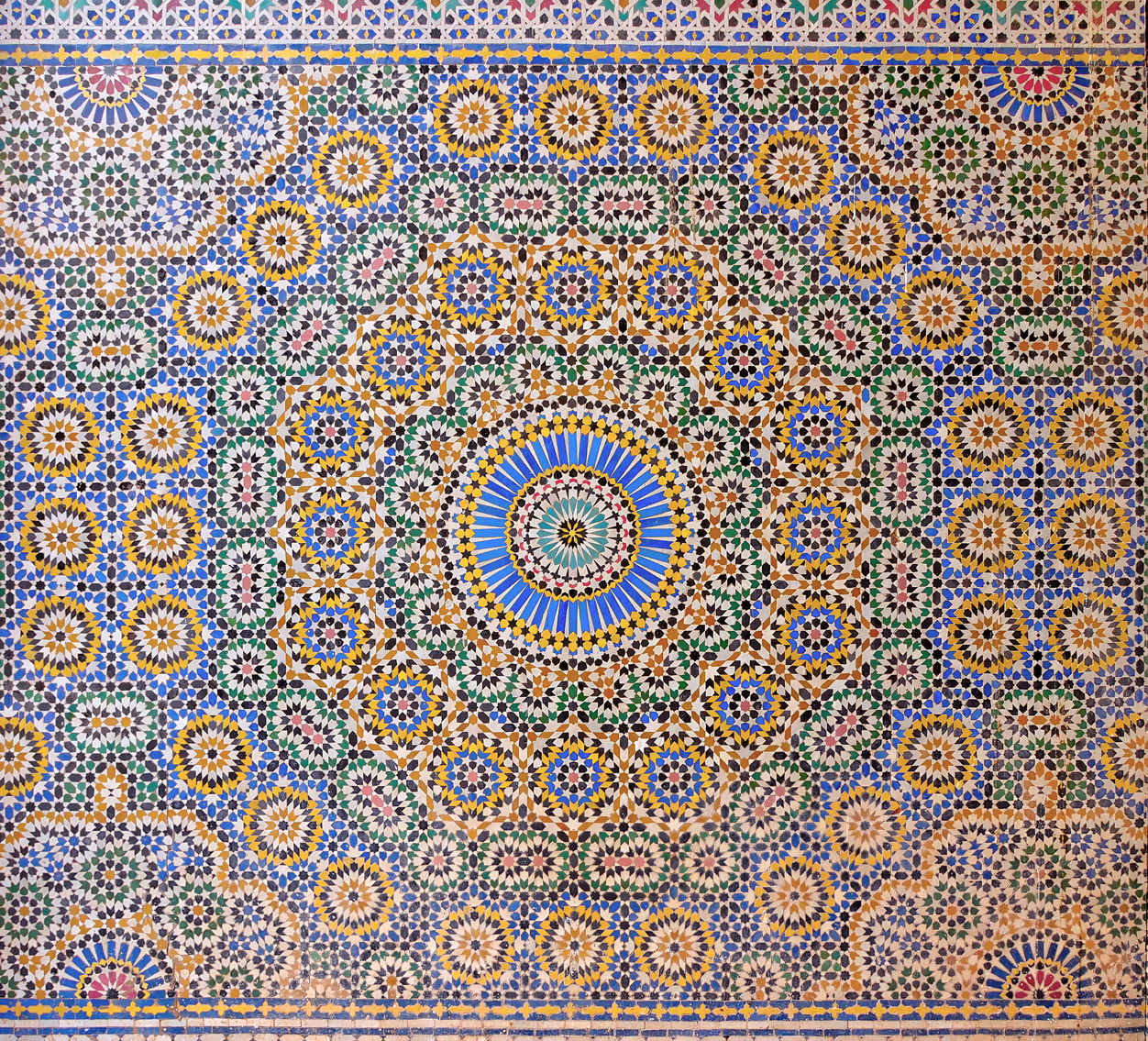
The Kasbah of Telouet is the former stronghold of the Glaoui clan, once powerful rulers of the High Atlas. Built in the 19th century and expanded in the early 20th, Telouet was a strategic location on the caravan route between Marrakech and the Sahara. From here the Glaoui controlled trade and amass wealth. Nowadays we find crumbling mudbrick walls on the outside while the inside is well preserved with zellij (mosaic tilework made from individually hand-chiseled tile pieces) and carved cedar woodworks.
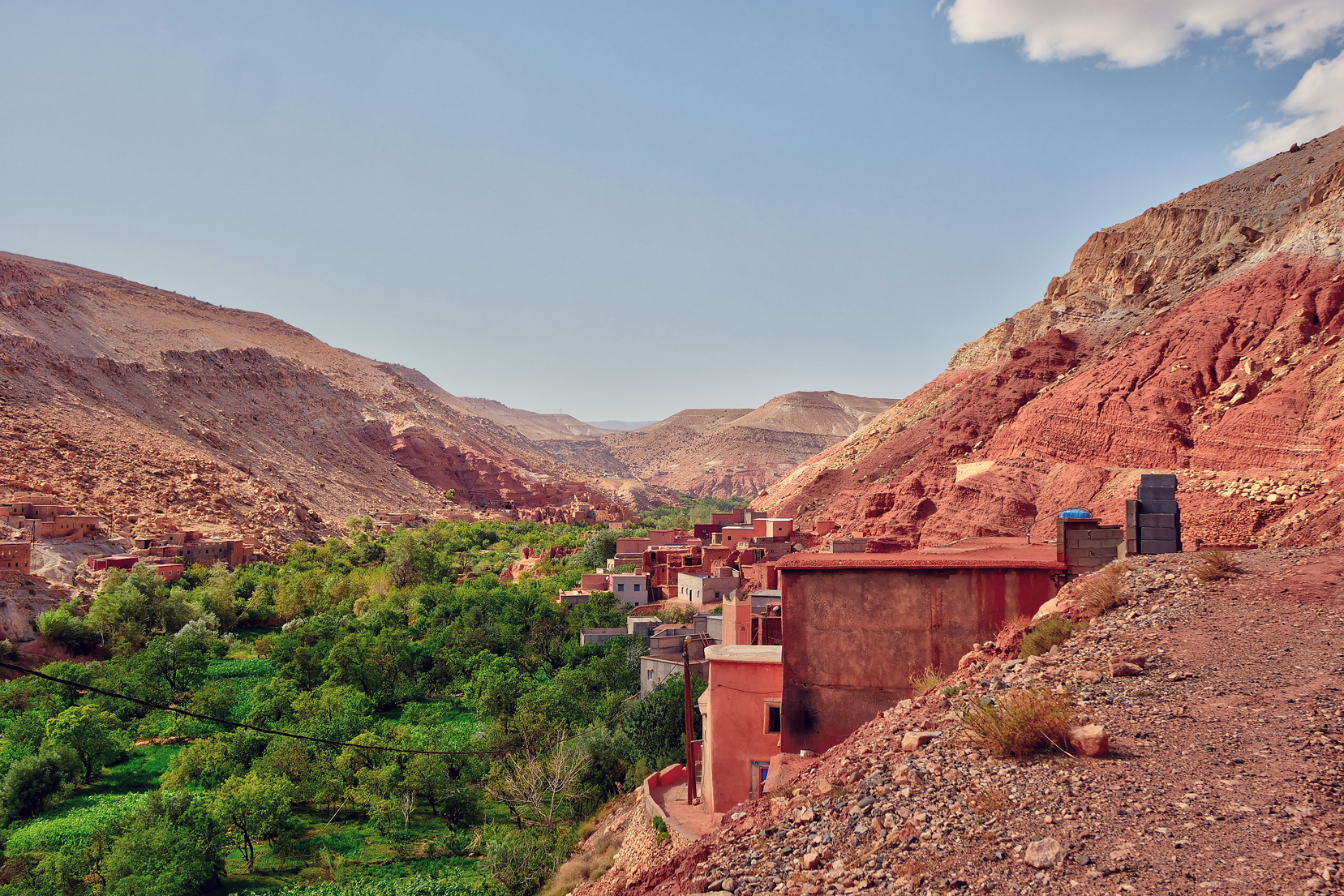
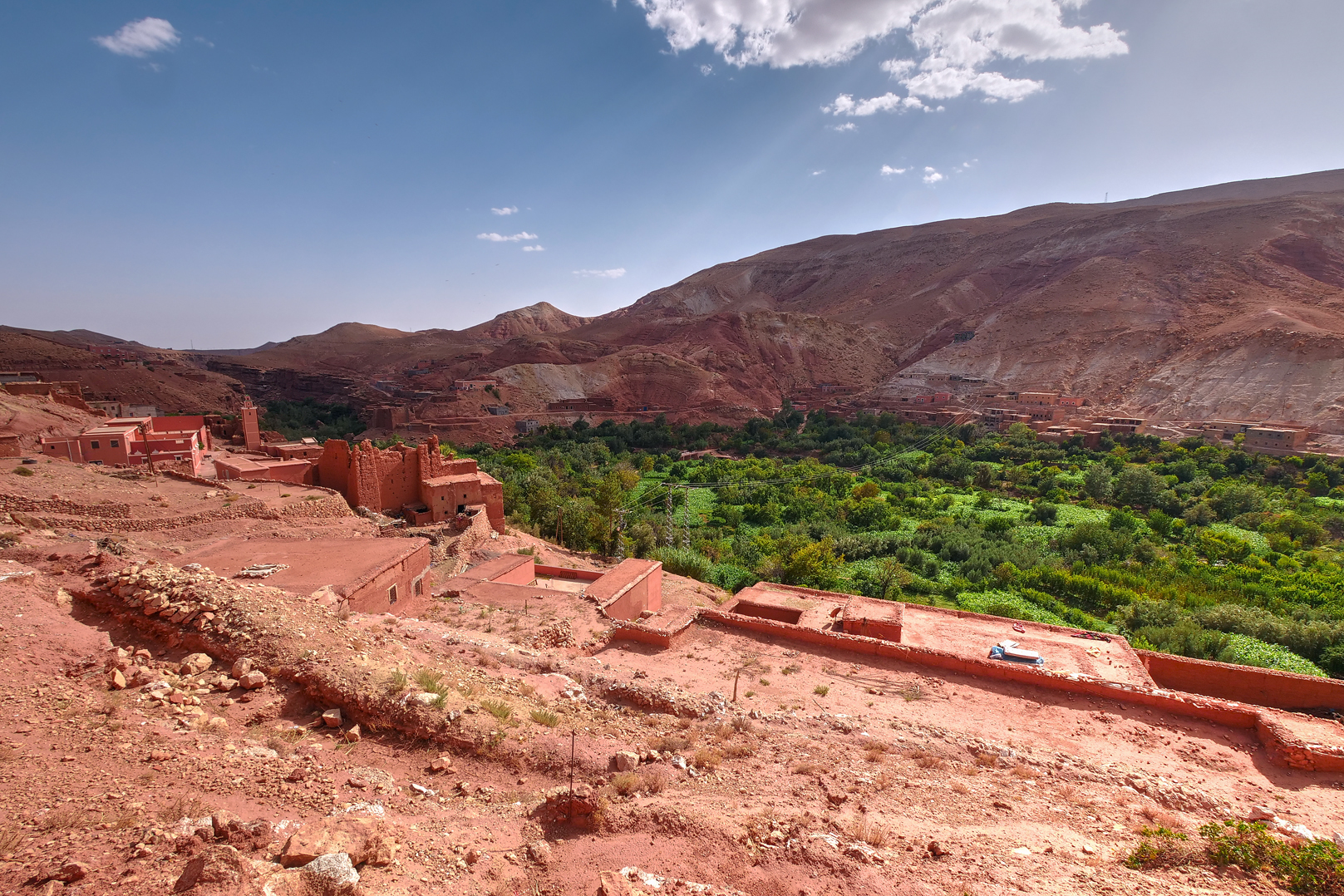
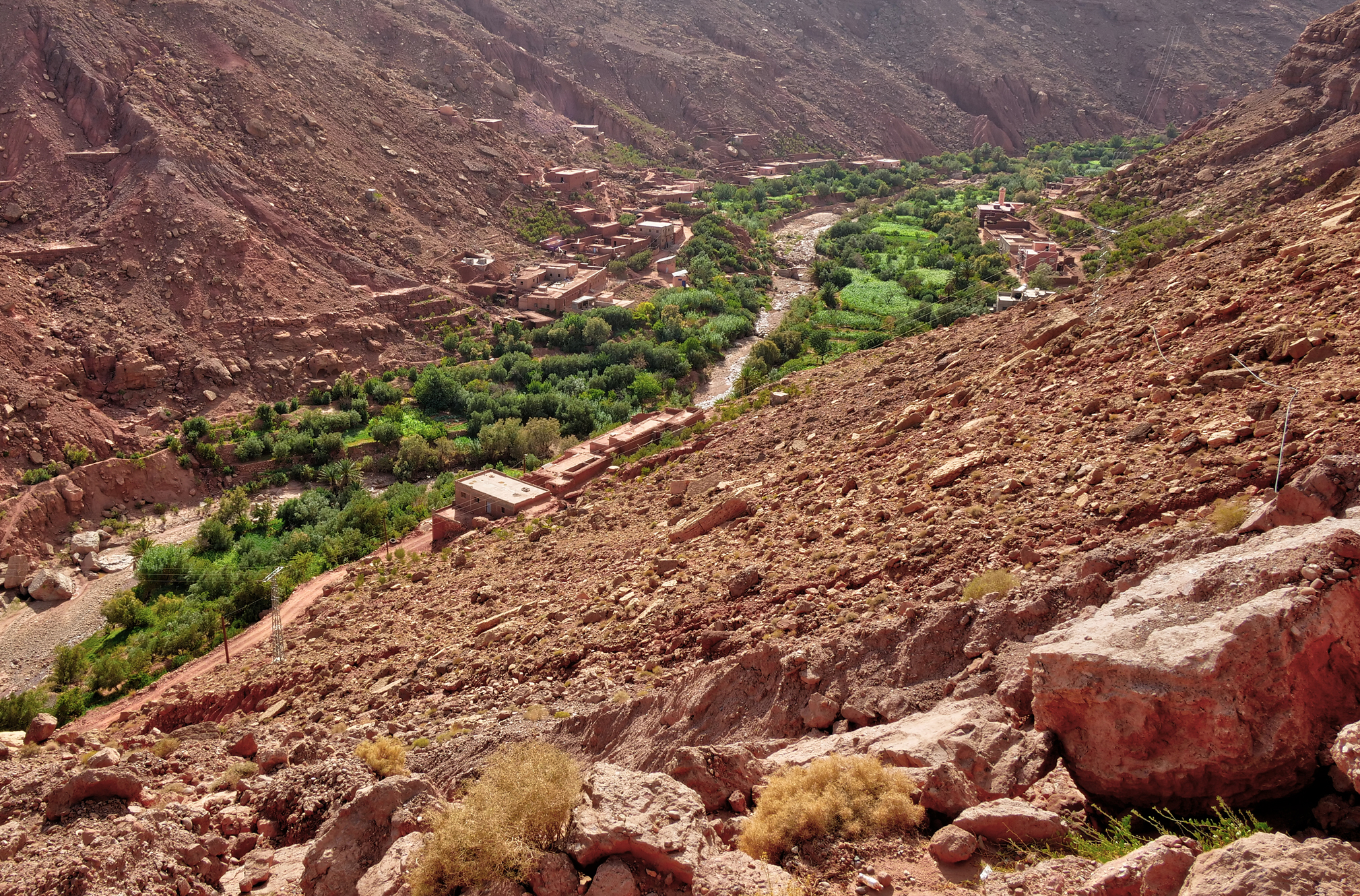
The Ounila Valley stretches roughly 40 kilometers between the Kasbahs of Telouet and Aït Ben Haddou, passing through various Berber villages. It runs along the course of the Oued Ounila, a river that occasionally flows—especially in winter and early spring—nurturing the valley’s greenery. The valley is known for its striking visual contrast: barren red-copper hills seamlessly interlaced with emerald-green gardens, date palms, and terraced orchards. Historically, the valley was part of a major trading route, connecting sub-Saharan Africa to Marrakech via the High Atlas. In ancient days camel caravans were traversing these stunning landscapes, transporting salt and other goods over weeks.
ait-ben haddou & ouarzazate
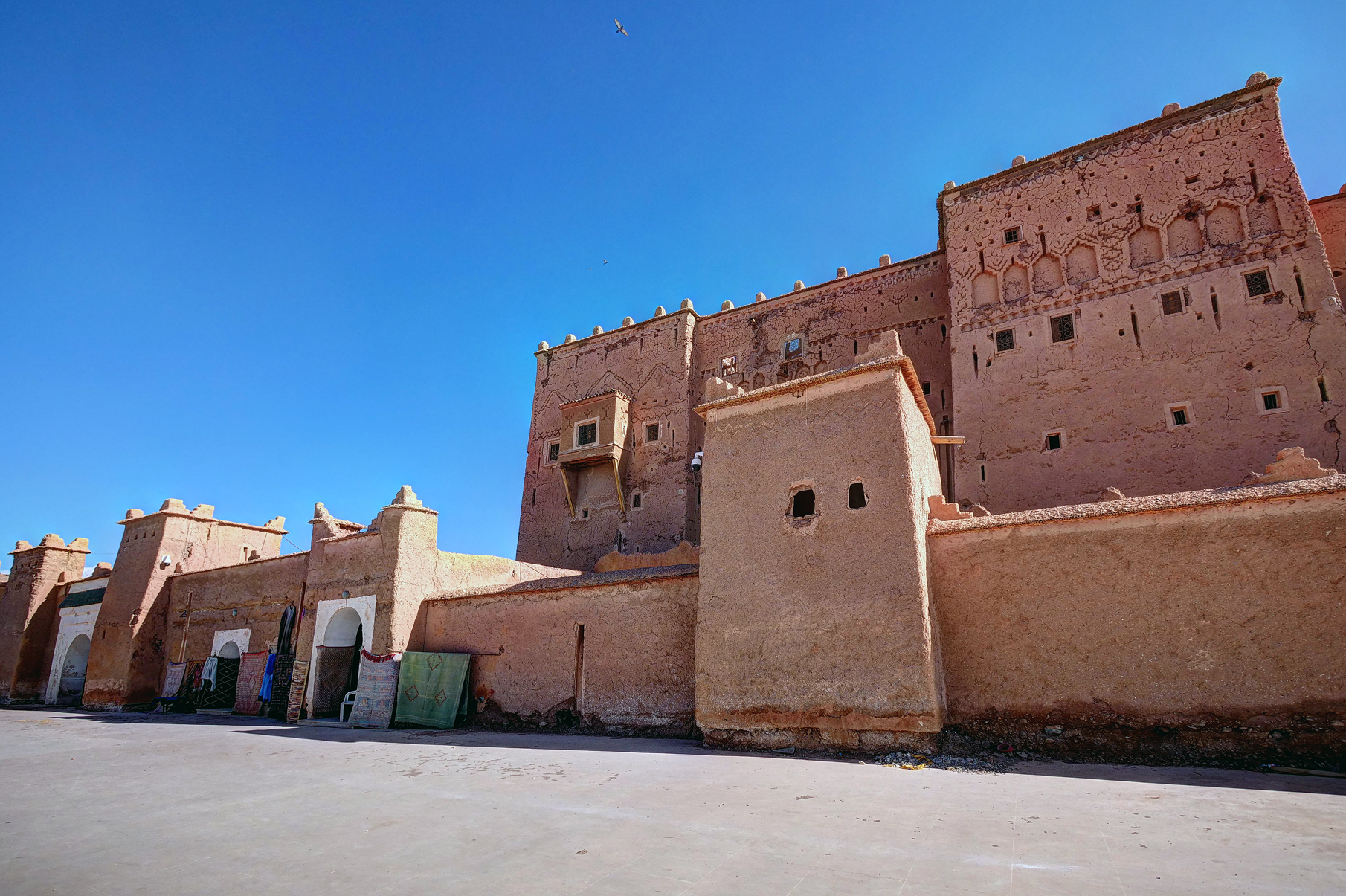
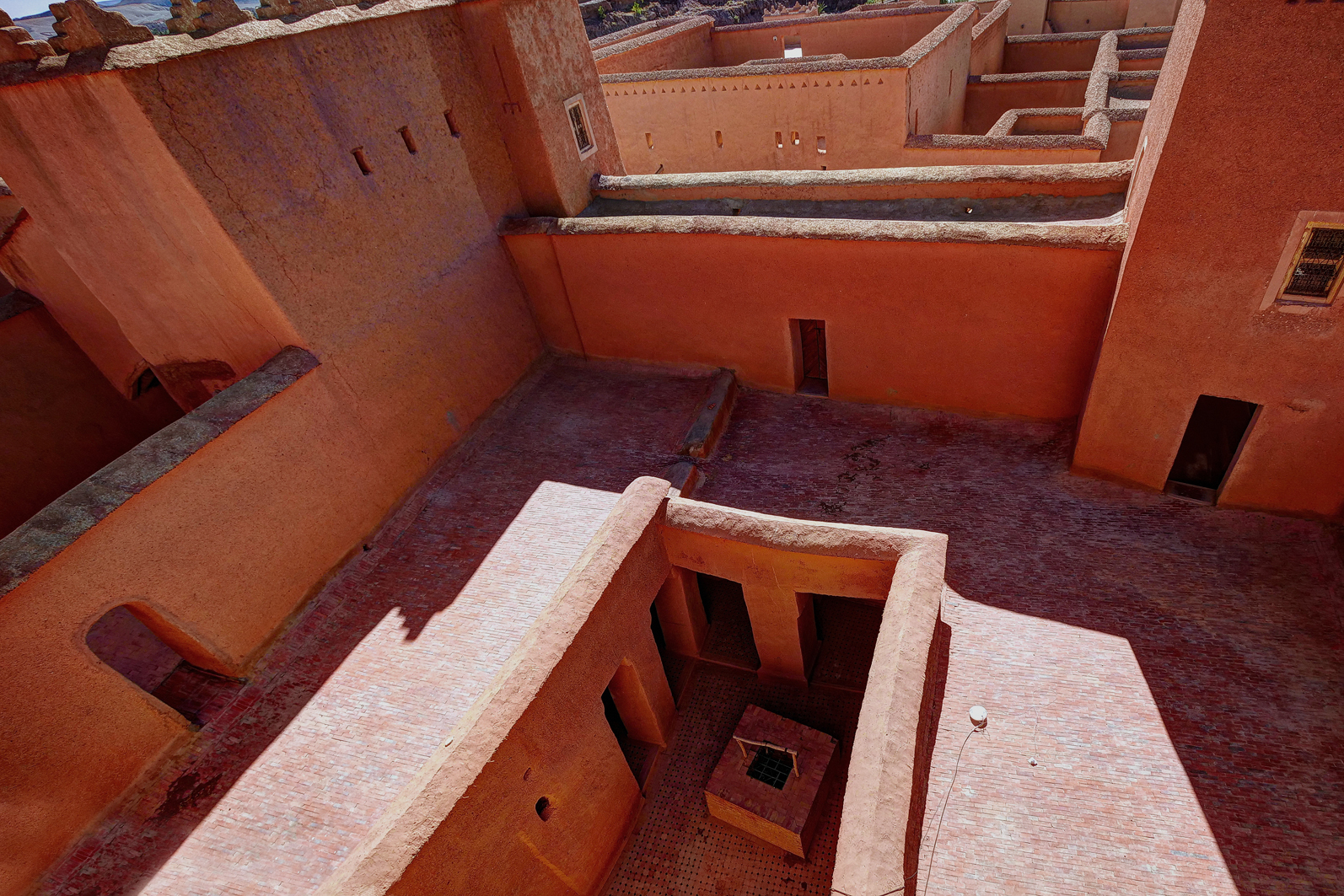
Taourirt Kasbah in Ouarzazate was constructed in the 19th century by the Glaoui clan. It was their main base in Ouarzazate and an important political center in southern Morocco. At its height it contained nearly 300 rooms, multiple courtyards, and labyrinthine passageways, defended by high walls of pisé (rammed earth). Parts of the kasbah have been restored, while others remain in ruin, illustrating both the grandeur and vulnerability of earthen architecture in this region.