Planet of Love
  • welcome
  • inspiration
  • exploring inside
  • exploring outside
    • much ado about nothing
    • the human quest
    • reality
    • two sisters
    • animals and plants
    • mountains
    • the alps
    • places of worship
    • mahendra’s greece
    • mahendra’s egypt
    • mahendra’s morocco
  • chanting
  • events
  • connections
  • about
  • emptiness
  • Click to open the search input field Click to open the search input field Search
  • Menu Menu

the capital: rabat

part of the series “mahendra’s morocco“

© mahendra myshkin 2025

Normally I try to avoid large cities but I had to travel several times to Rabat to obtain marriage papers or permits. So I had enough chances to see two remarkable ancient beauties in the modern day Moroccan capital Rabat: The Chellah and the Kasbah des Oudayas.
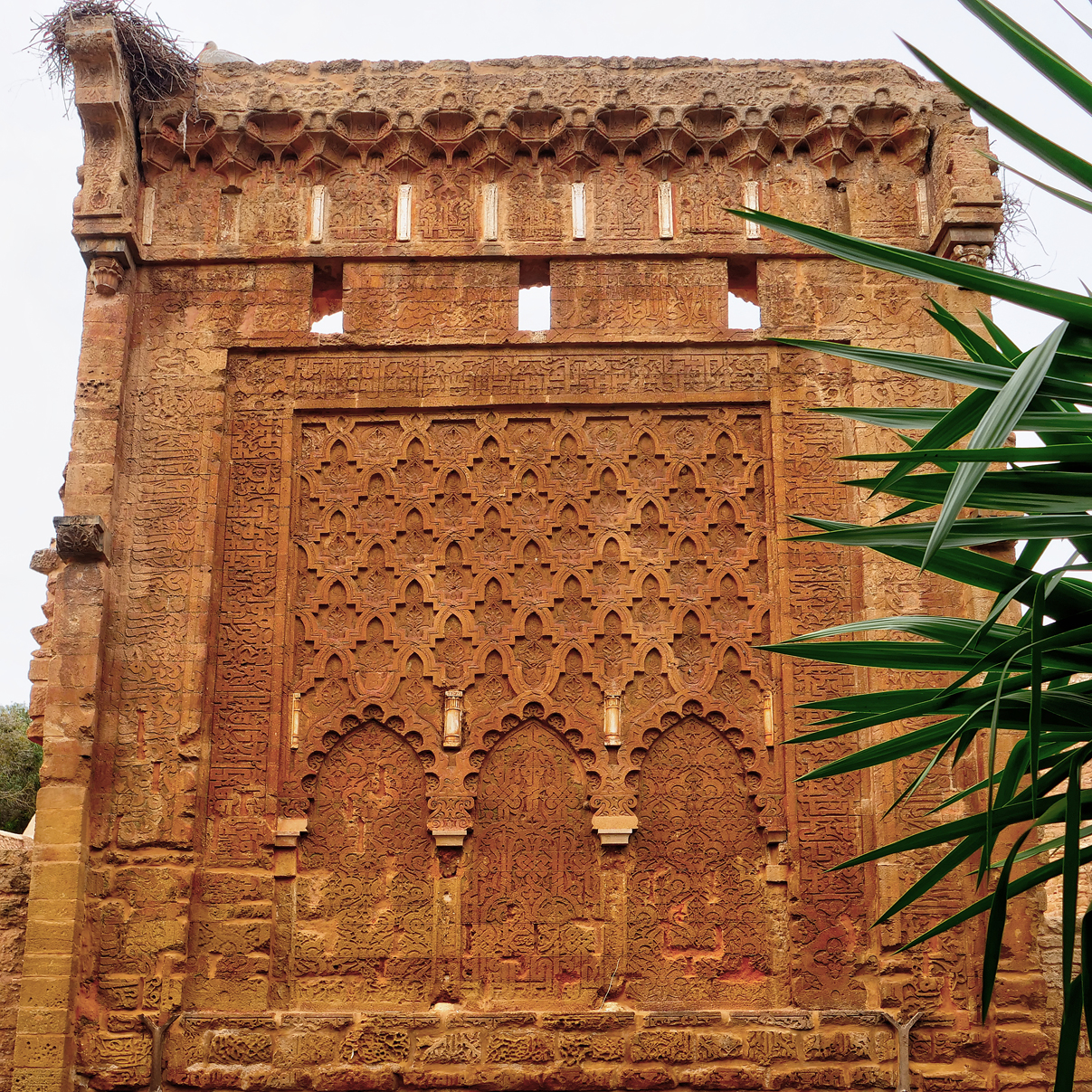
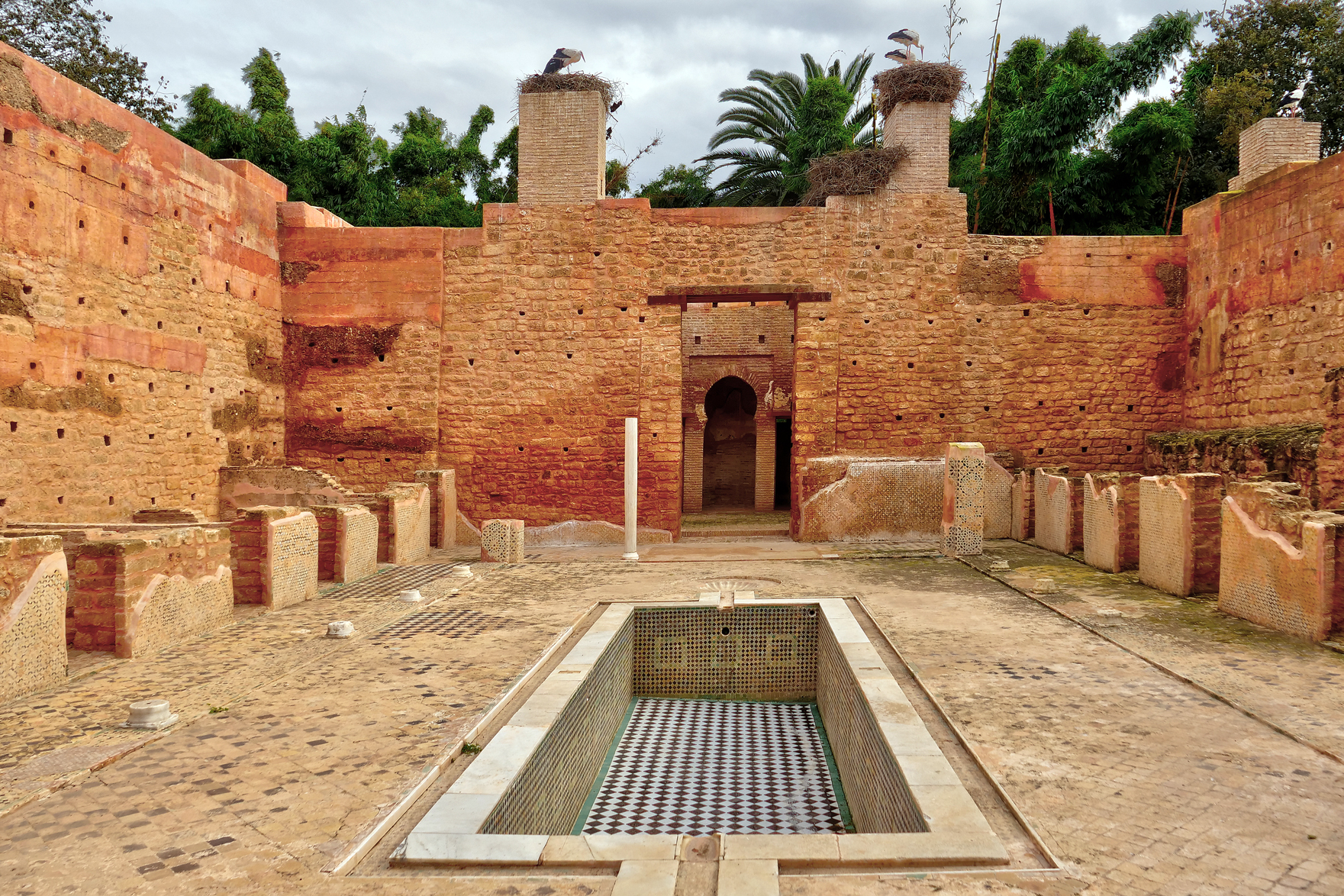
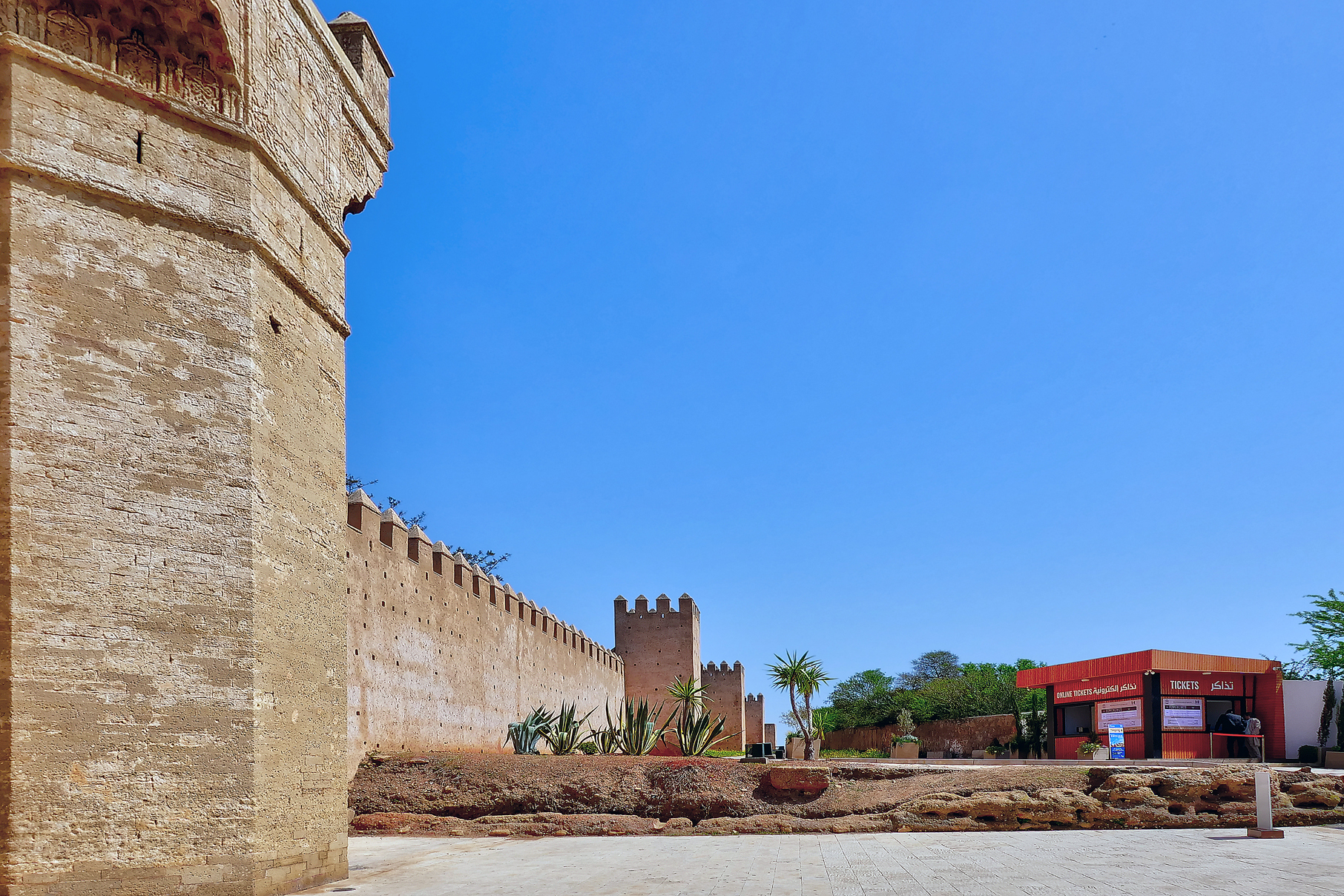
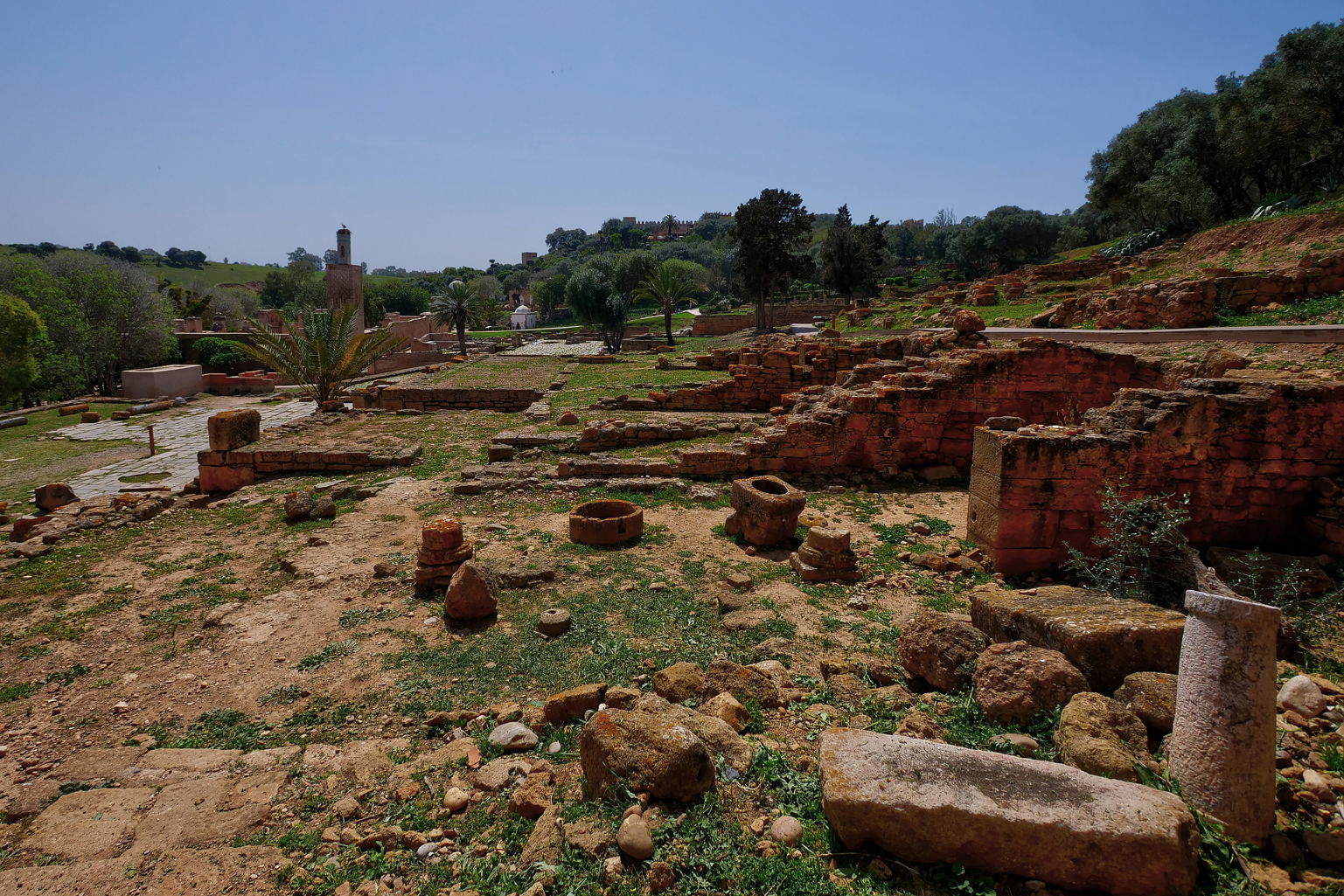
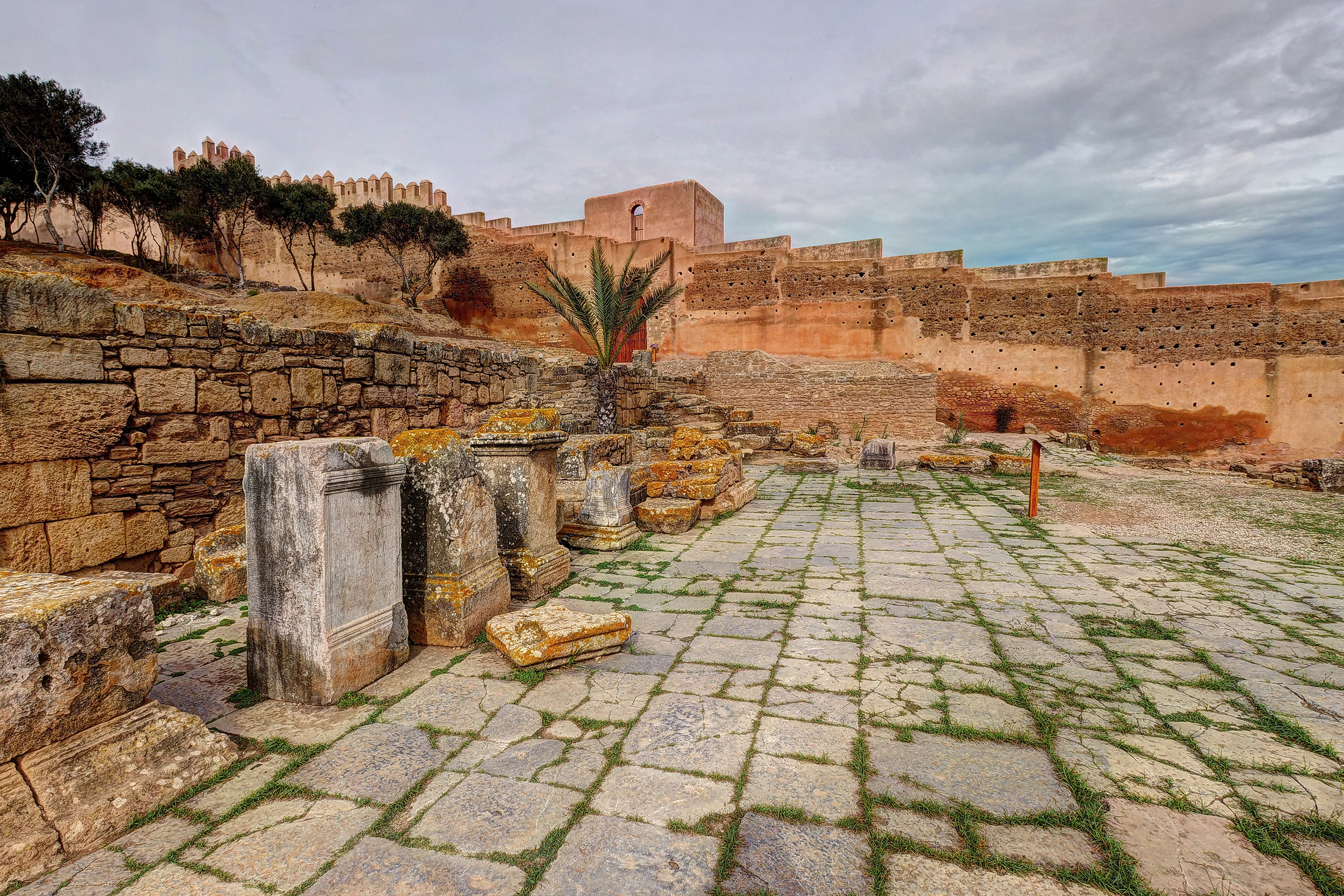
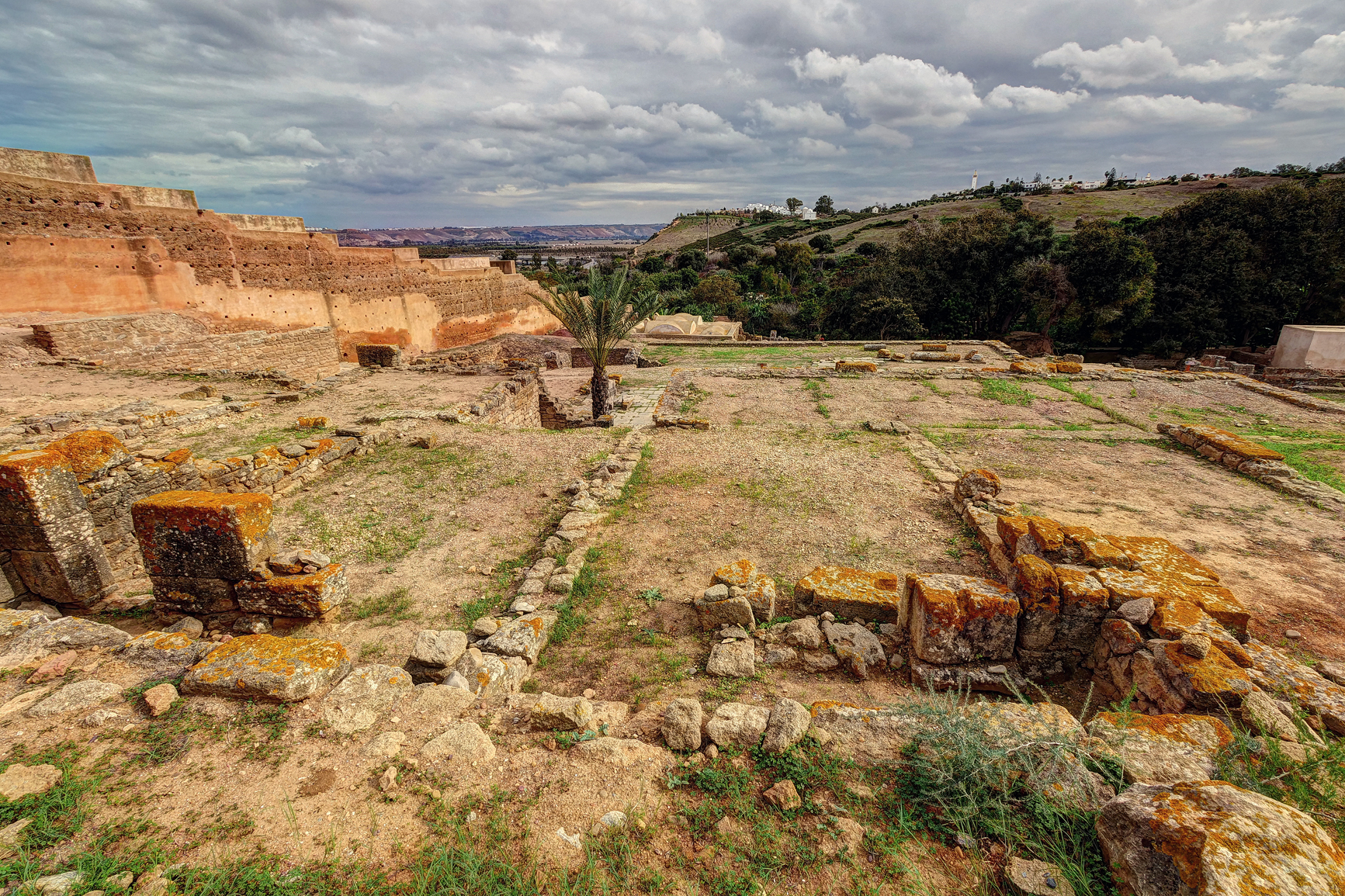
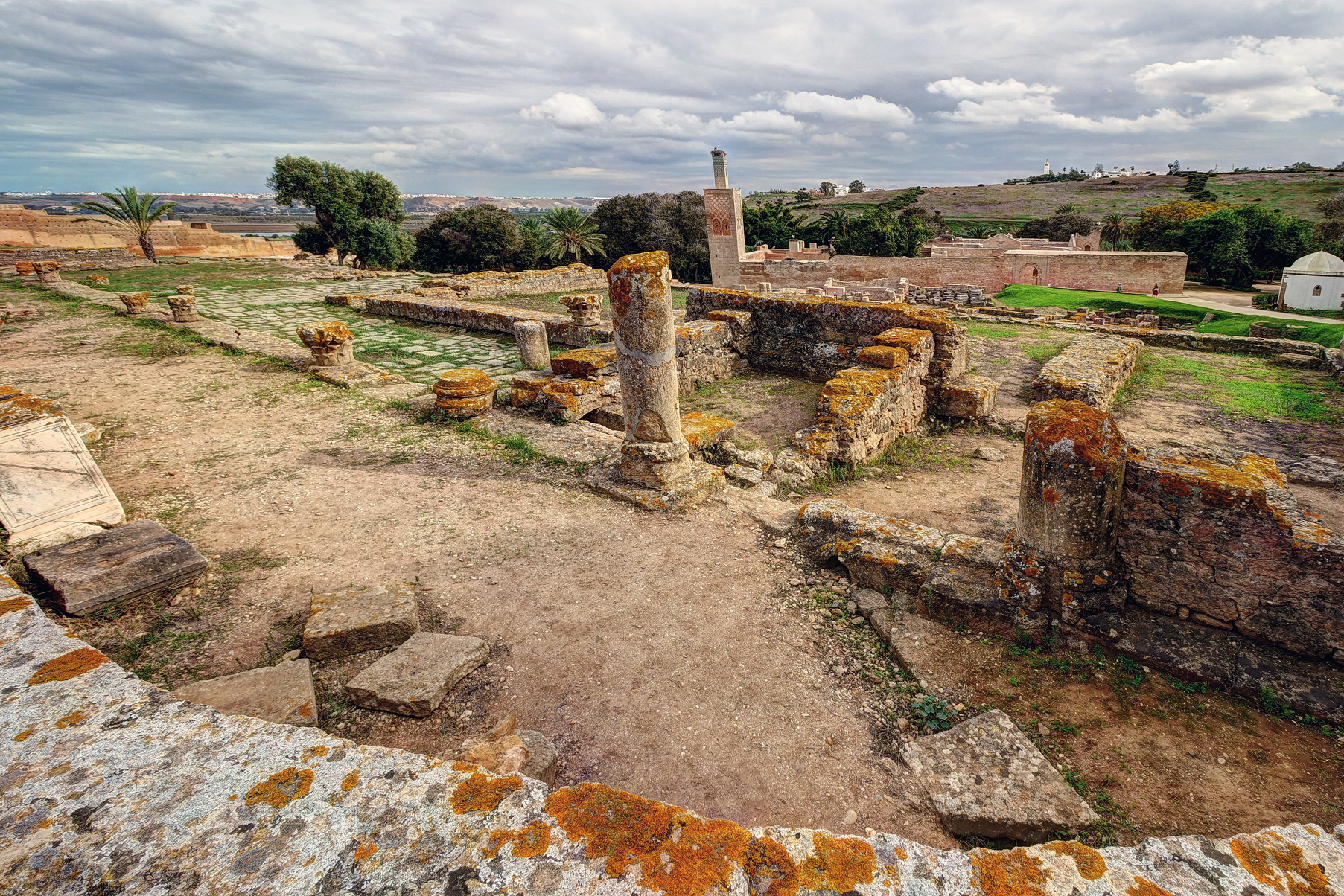
At the Chellah some ruins of the original Phoenician and Roman settlements between the third century BCE and the fifth century CE have been excavated and preserved. In the 12th century the Almohads rebuilt and extended the Chellah as a kasbah with huge fortified walls. Later the Marinids transformed it into a necropolis.

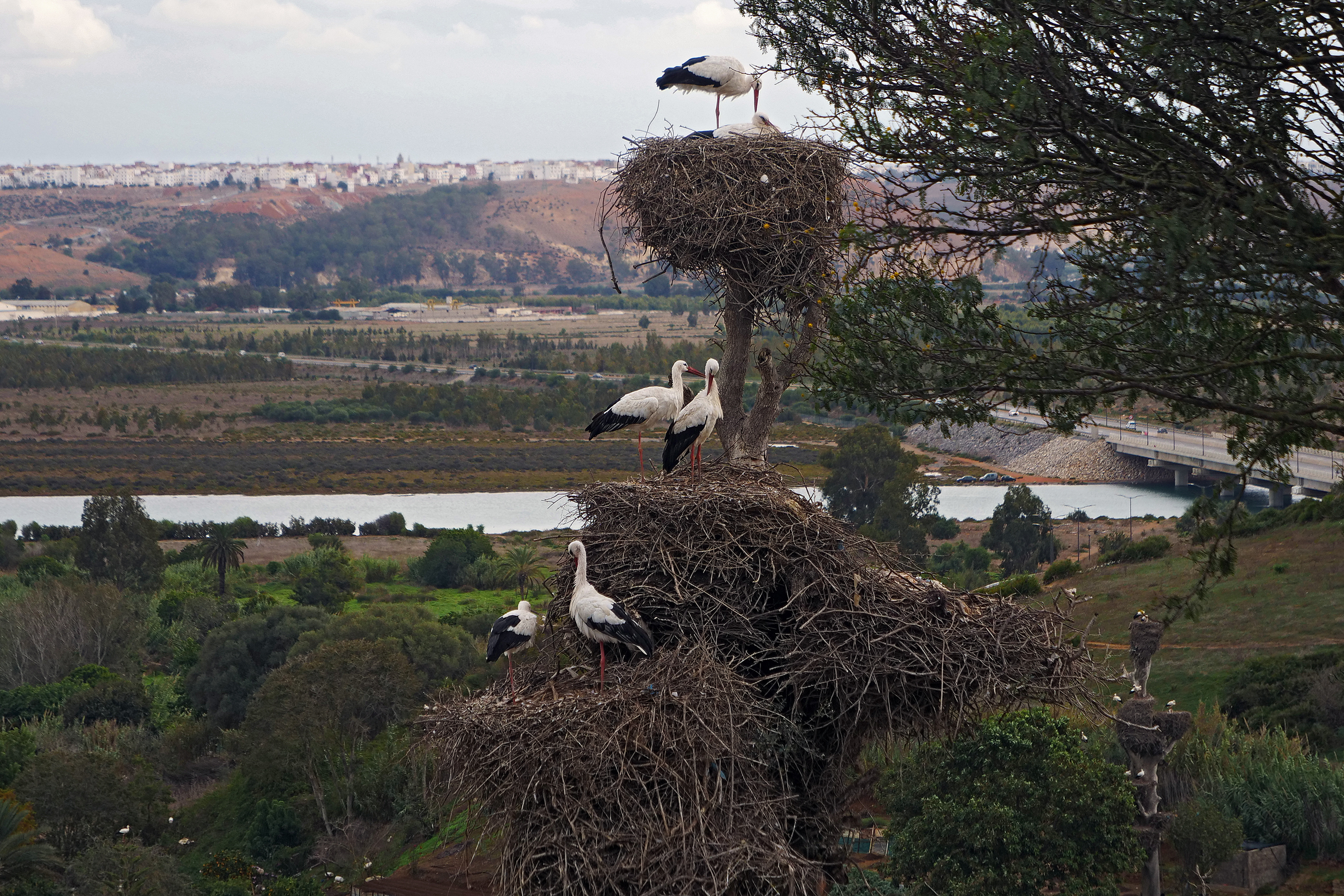
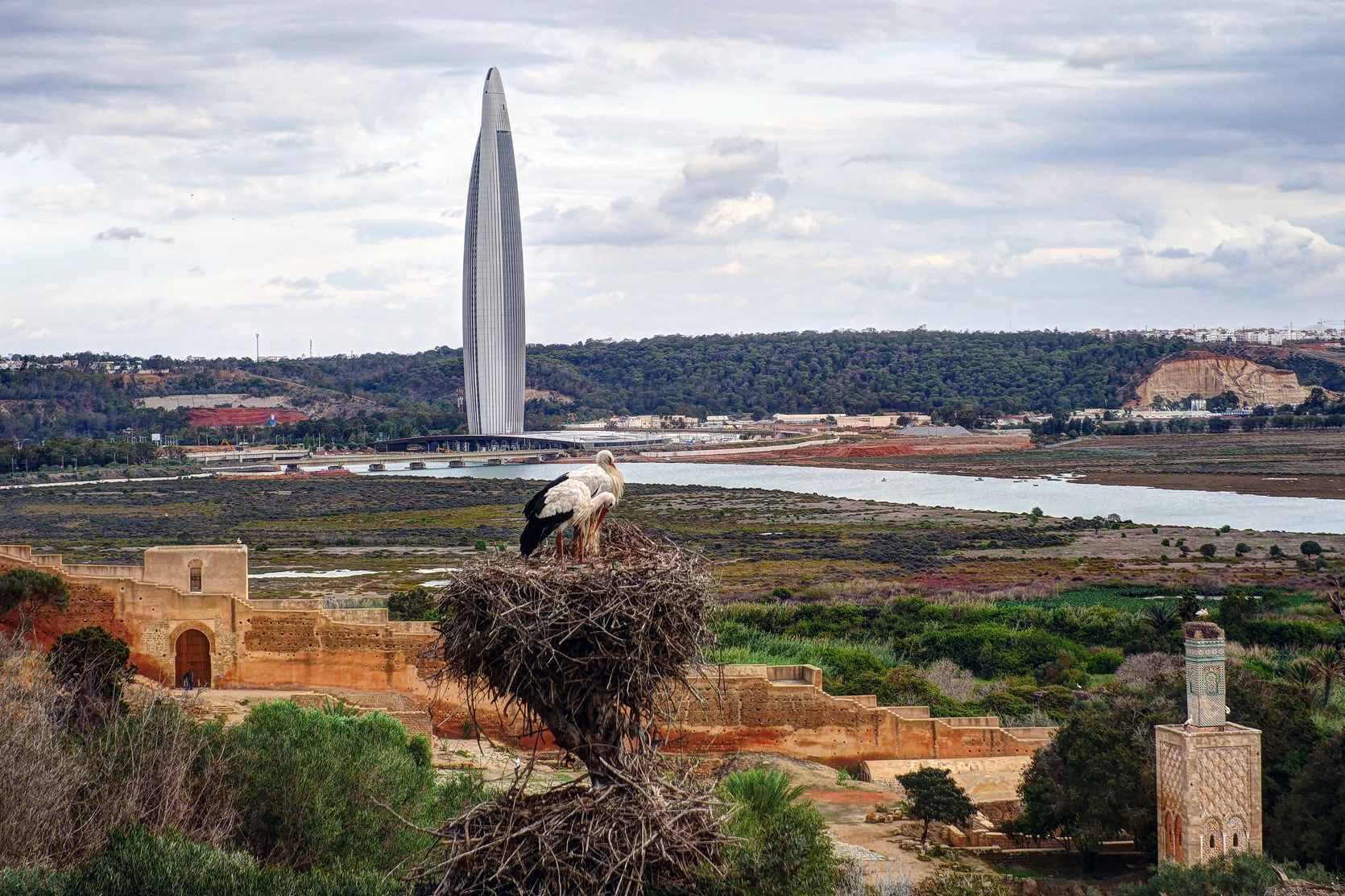
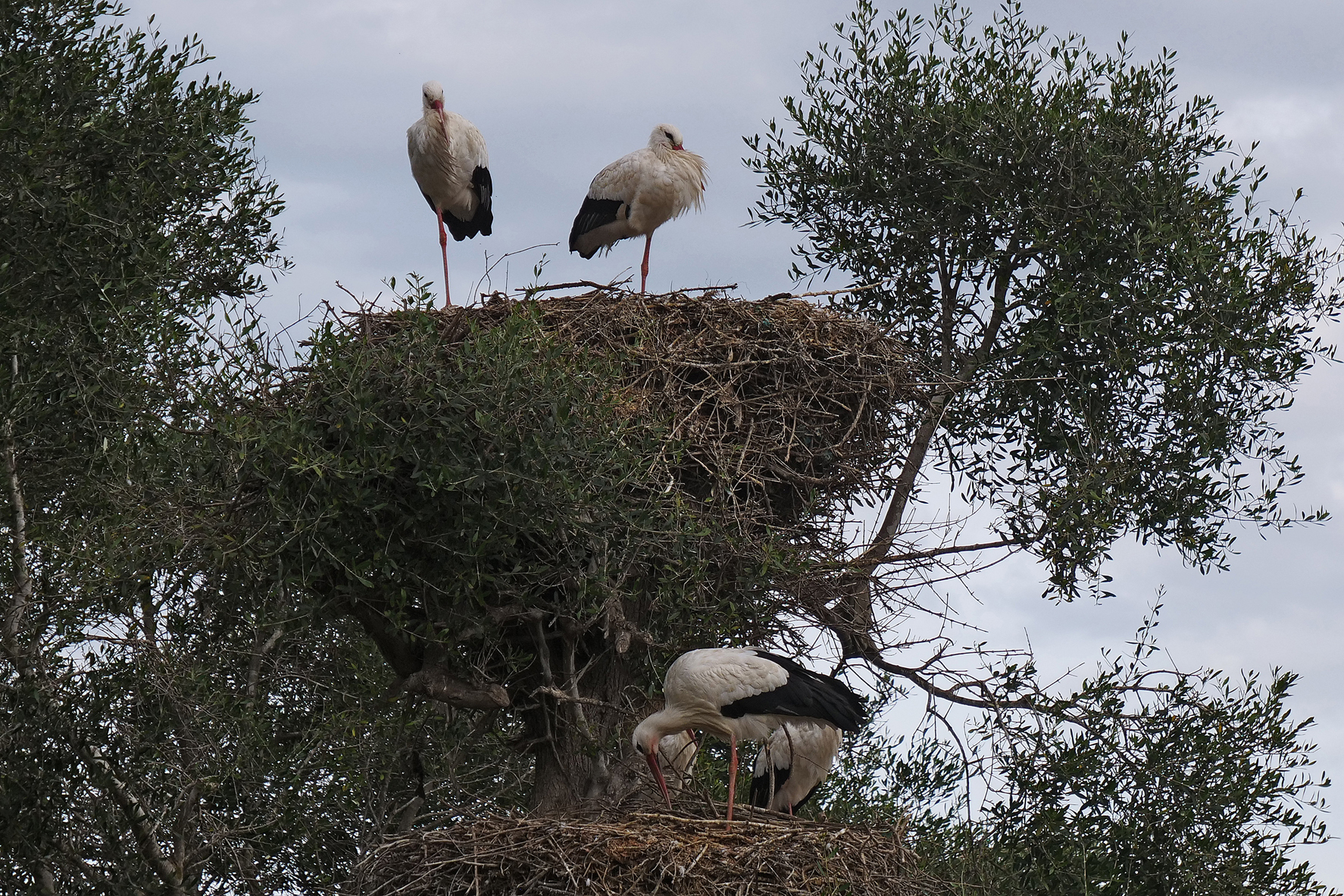
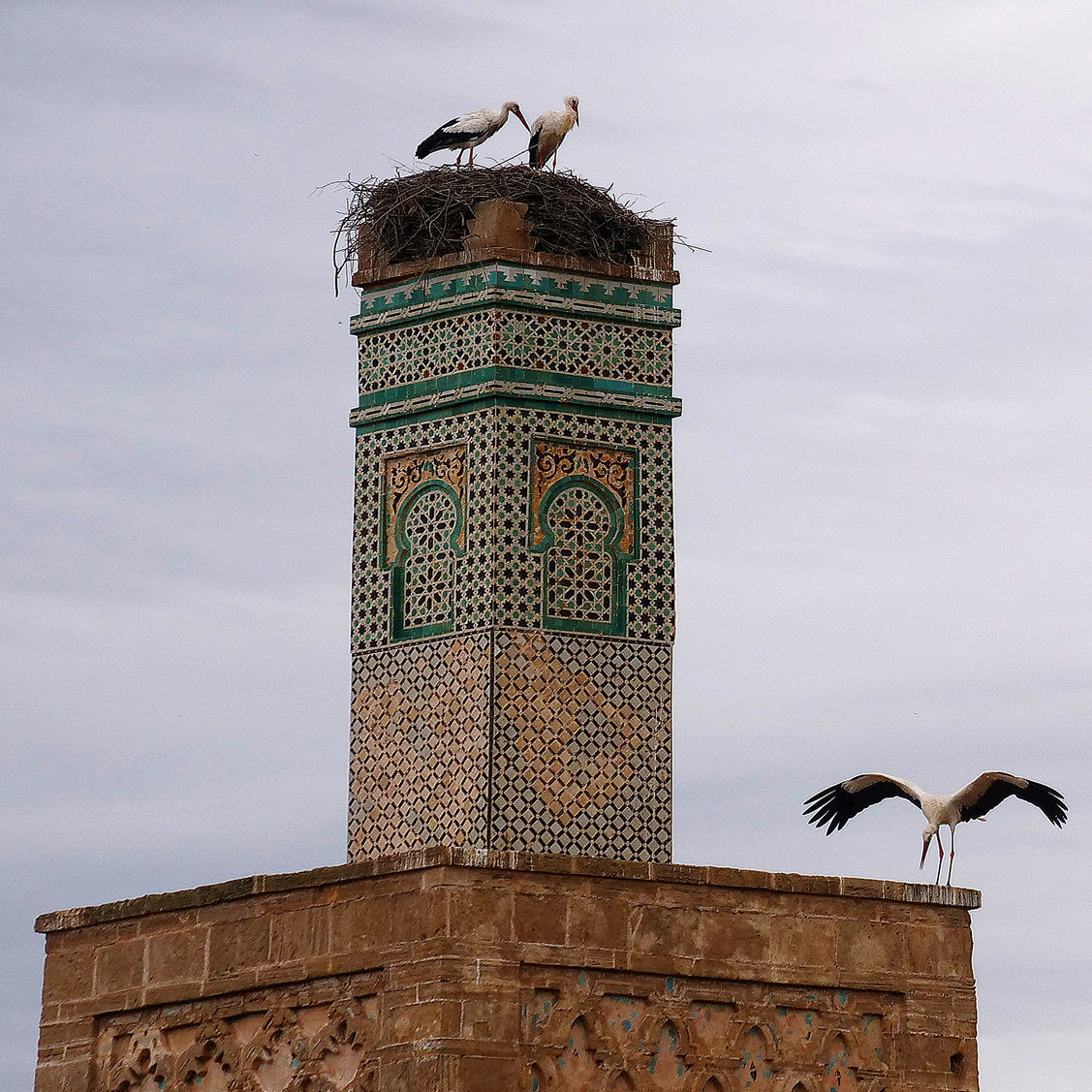
Nowadays a sedentary colony of more 70 storks lives on top and around the old buildings and ruins. They leave for a short while in August and return in September.

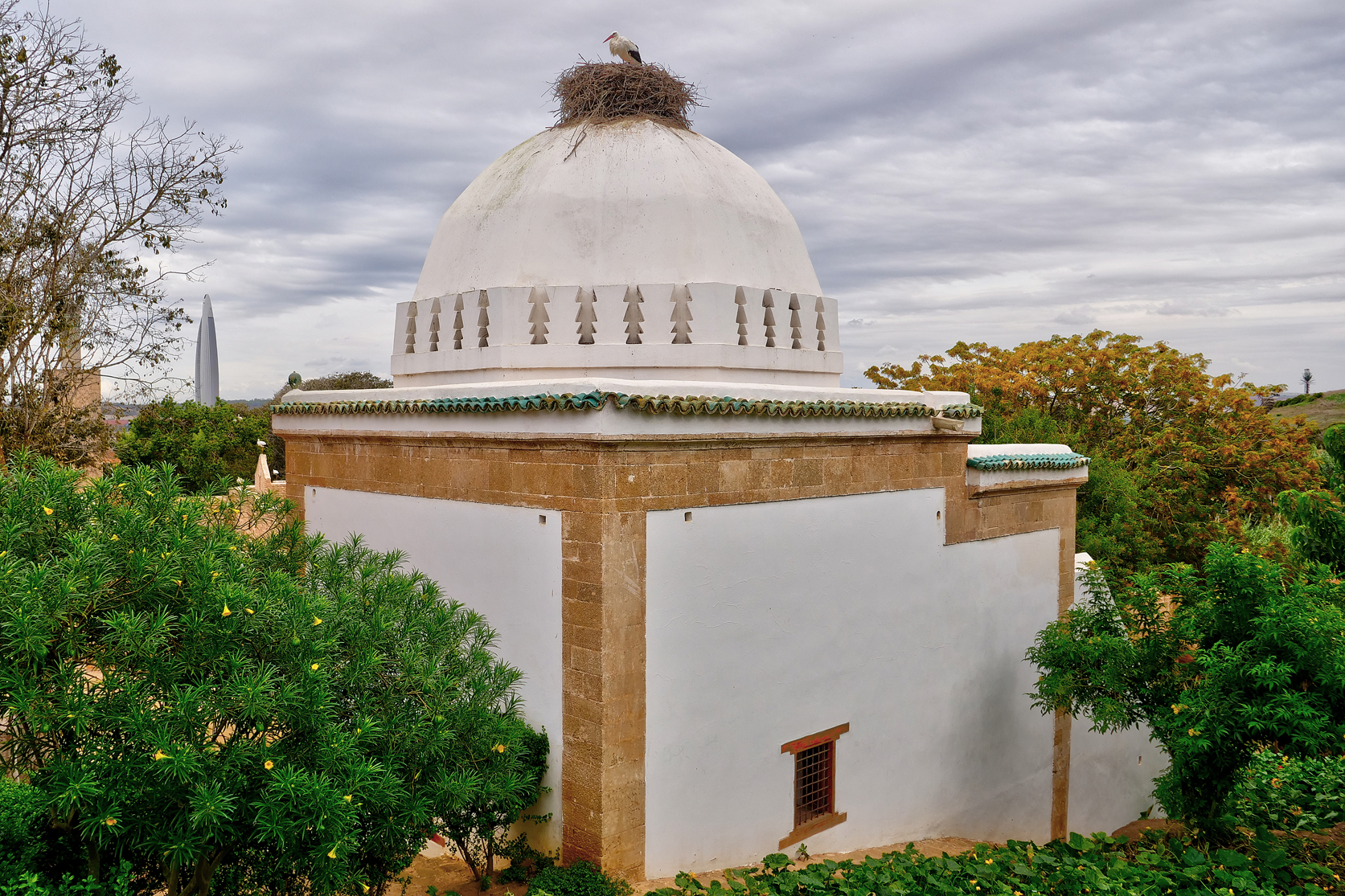
Rabat: The Main Gate of the Chellah
Marabout Hill with the tombs of various Muslim saints
South Facade of the Abu Hassan Mausoleum
Rabat: The Madrasa of the Chellah
The Fortification Wall of the Chellah
Storks at the Chellah
The Storks found a great home in the Chellah
Stork families at the Chellah
Storks and Mohamed VI Tower (Moroccos highest building)
Storks at the Chellah, sleeping while standing on one leg
Storks nesting on the minarett of the Chellah
The Phoenizian Quarter in the Chellah
The Forum Romanum, center of the Roman city of Sala.
Ruins of Mauretanian Temples
Ruins of the Roman Temple

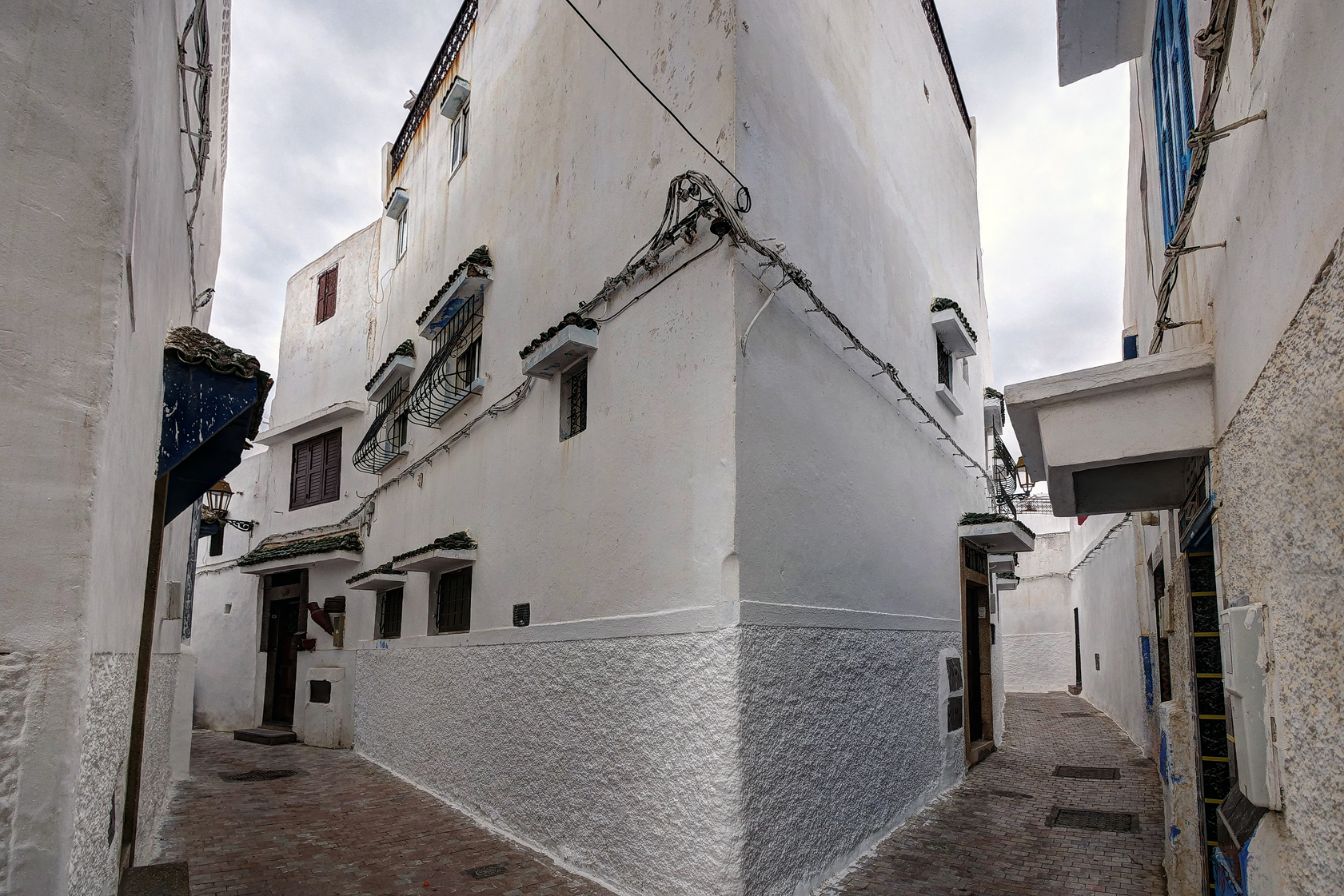
Rabat’s second remarkable beauty is the Kasbah des Udayas which was built in the 11th century by the Almohad caliph Abd al-Mu’min. It’s close to the Medina and the ocean, and it included a palace and a mosque. Nowadays the Medina is still inhabited while the old palace is used as a museum.
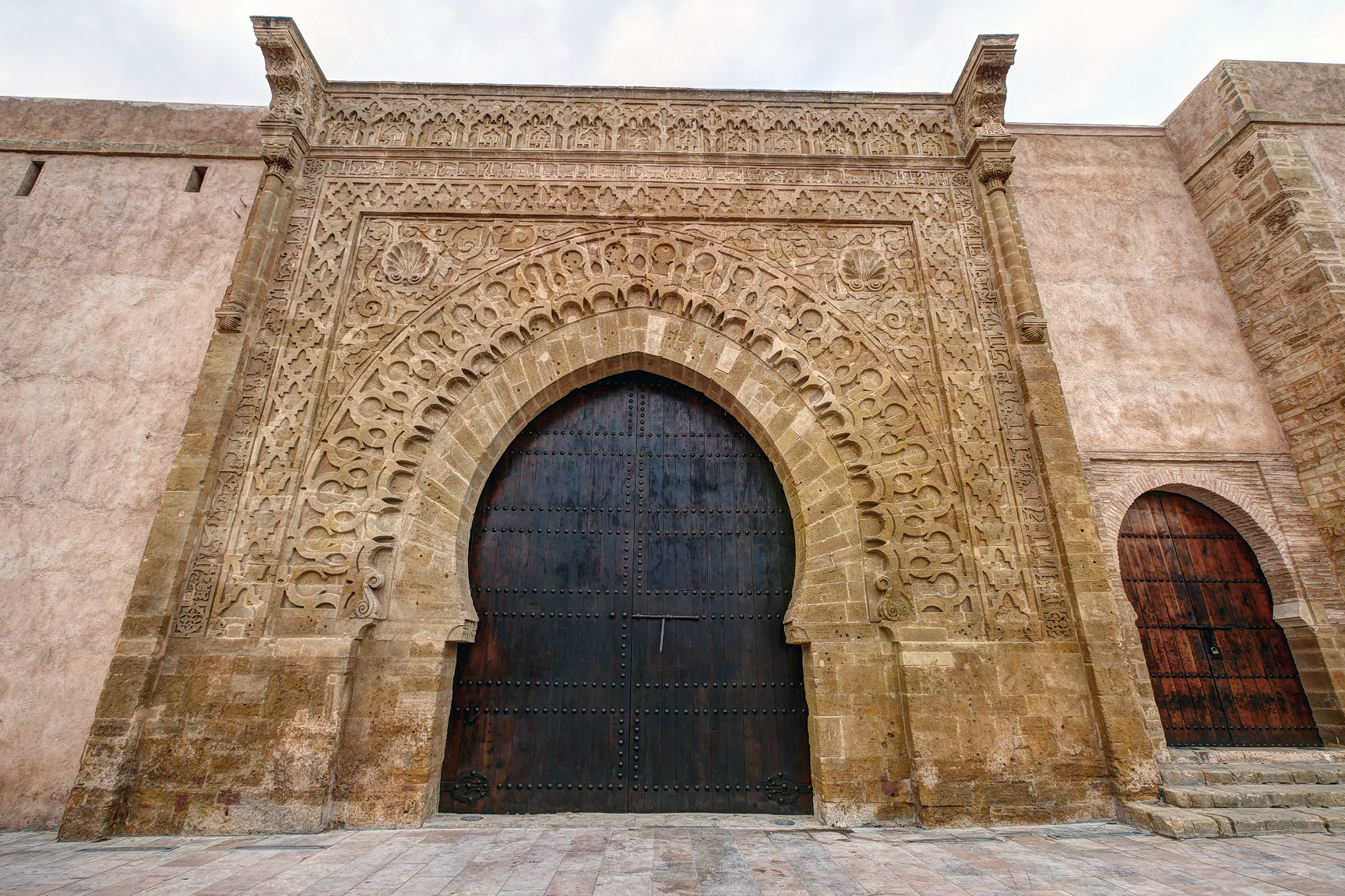
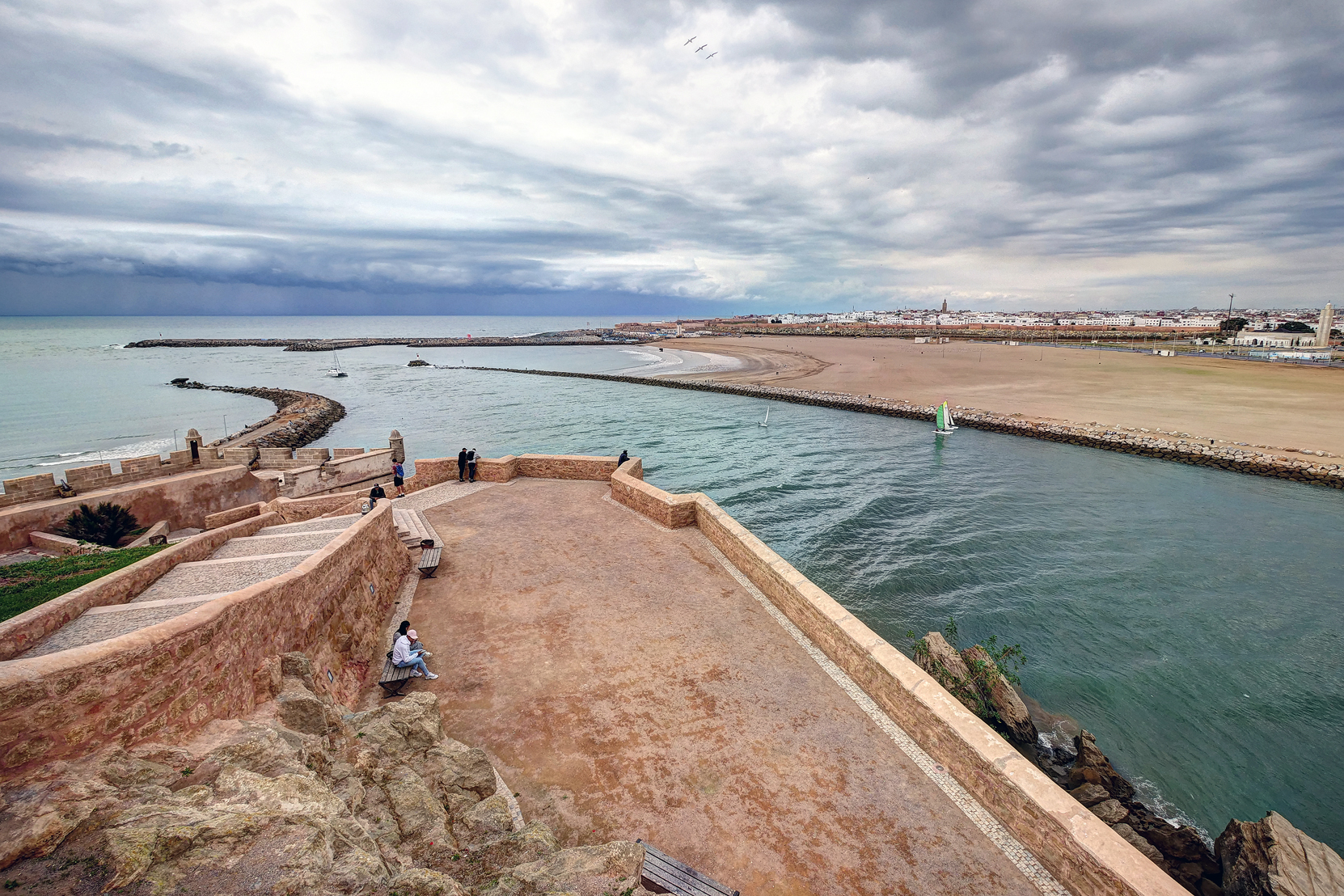
Rabat - Bab Oudaya
Terraces of the Kasbah of the Oudayas
Houses in the Kasbah
Jardin Andalous in the Oudayas Museum
Mosaic Floor in the Musée des Oudayas
Le Musée des Oudayas courtyard
Le Musée des Oudayas walkway
A Berber Robe
Berber Jewelry I
Berber Jewelry II
Berber Jewelry III
Berber Jewelry IV

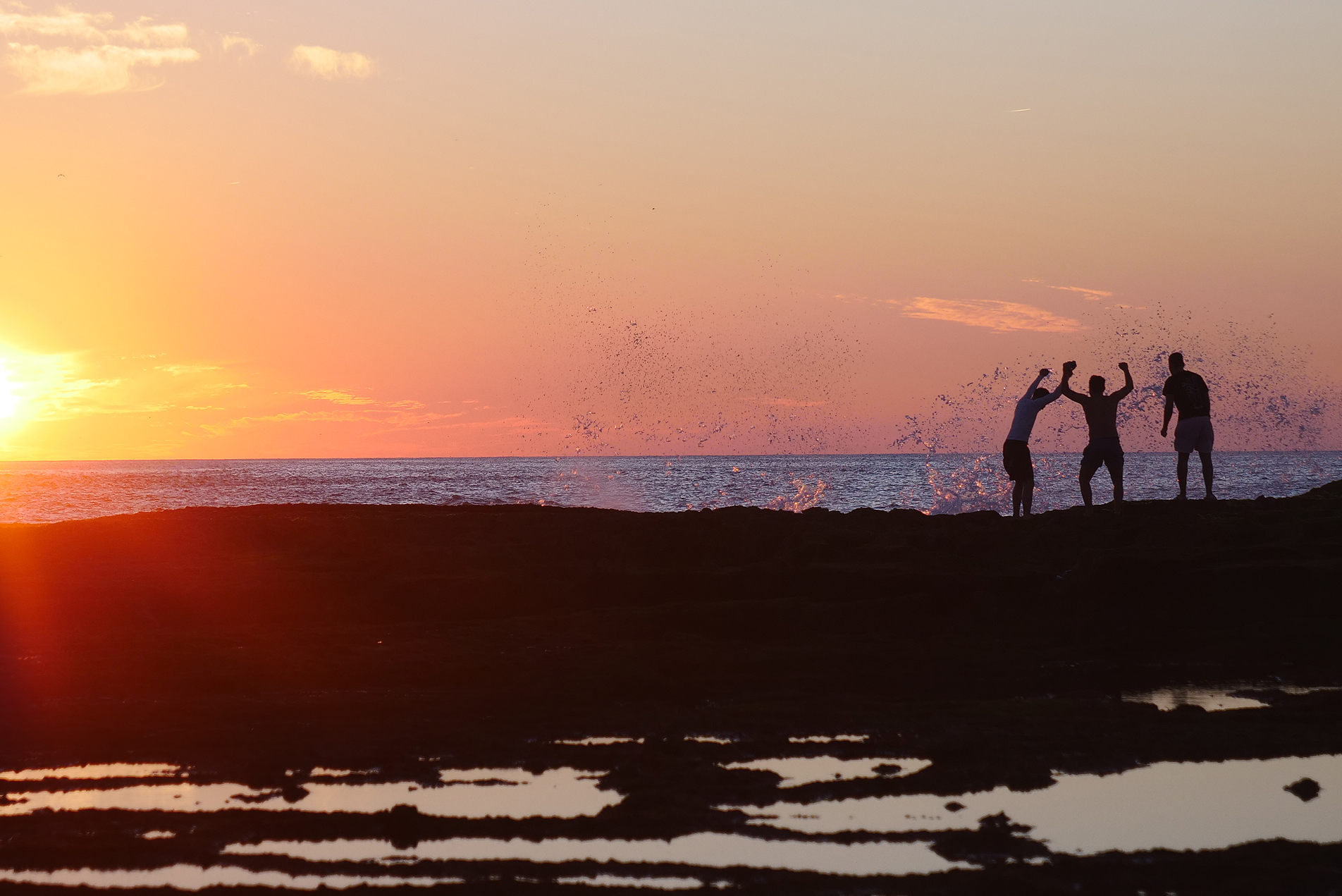
From the 17th century onward, Rabat and neighboring Salé became known as strongholds of corsairs, the so-called Sallee Rovers, who preyed on European shipping. Later, under French rule in 1912, Rabat was chosen as Morocco’s administrative capital, a role it still holds today as the seat of government and the official residence of the king. However, at the plage des contrebandiers (smugglers’ beach) the name reminds us of the adventurous past of the area, but there are no traces of smuggling or pirates. Nowadays it is just a relaxed beach where the elements may perform a wild dance at sunset.

Sunset at Plage de Contrebandiers I
Sunset at Plage de Contrebandiers II
Sunset at Plage de Contrebandiers III
Up Up mahendra’s morocco

coming events:

  • calendar
  • public meditation

latest articles

  • dendera
  • karnak
  • luxor temple
  • medinet habu
  • valley of the kings
  • temple of hatshepsut
  • brihadaranyaka
  • aitireya
  • the north
  • rabat
  • the roman heritage
  • centers of islamic art
  • the southern beaches
  • the midwest
  • the central mountain ranges
  • the kasbah route

CATEGORIES

© Copyright - Planet of Love
  • imprint
  • privacy policy
Scroll to top Scroll to top Scroll to top