
the luxor temple
The southernmost of the monuments of the East Bank of the Nile was located in the heart of ancient Thebes (now Luxor) and, like Karnak, was dedicated to the god Amun-Re, his wife, Mut, and son, Khonsu. Amun-Re represented the supreme fusion of the invisible “Hidden One” and the life-giving power of the Sun. In Thebes, he was the source of the Pharaoh’s sovereign authority and the focus of rituals centered on the eternal renewal of kingship. This “Southern Sanctuary”, known today as the Luxor Temple, served as the site where the King’s earthly persona merged with his divine essence, ensuring the continued stability of the state.
The core area as it stands today was constructed by the 18th-dynasty king Amenophis III, who built a multi-roomed complex on a raised platform and later added an open peristyle sun court with a large colonnade. Work stopped during the reign of his son Akhenaten, who attempted to diminish the power of Amun. The colonnade was eventually completed under Tutankhamun, who restored the traditional worship. Ramesses II later added a massive pylon and a pillared court, significantly expanding the complex with several gigantic statues of himself to reflect his own superstar status.
Luxor Temple is connected by an avenue of sphinxes to the temple complex of Karnak, about 3km (2 miles) to the north. Since the 18th dynasty the temple’s main purpose was to provide a setting for the annual Opet-festival, when the cult images of the gods were taken in procession by land and by boat from Karnak to Luxor.
This temple provides a case study in the growth and expansion of Egyptian temples. While it may have been built on the site of earlier structures, the history of the present temple spans over 3000 years. Much of the temple was buried for centuries, which helped preserve some of the finest relief carvings in Egypt.
The importance of the site continued after the native dynasties ended. Alexander the Great had the central barque shrine completely renewed in his name, signaling a successful adaption of the old religion into a Macedonian context. When Egypt became a Roman province in the 1st century BCE, the Romans continued to use the temple and accepted the Egyptian pantheon—architectural modifications were only made to establish the cult of emperor worship within the temple walls.


Photo 1: View from the East Bank of Luxor. This view towards the West Bank shows the layered history of the site. The main pylon of Luxor Temple and a row of columns are clearly visible next to a minaret and the towers of a Coptic Christian church. This visual record captures the unique coexistence of three religions in one location.
Photo 2: Today’s Main Entrance. The huge pylon, the obelisk, and the monumental statues of himself were built by Ramesses II.
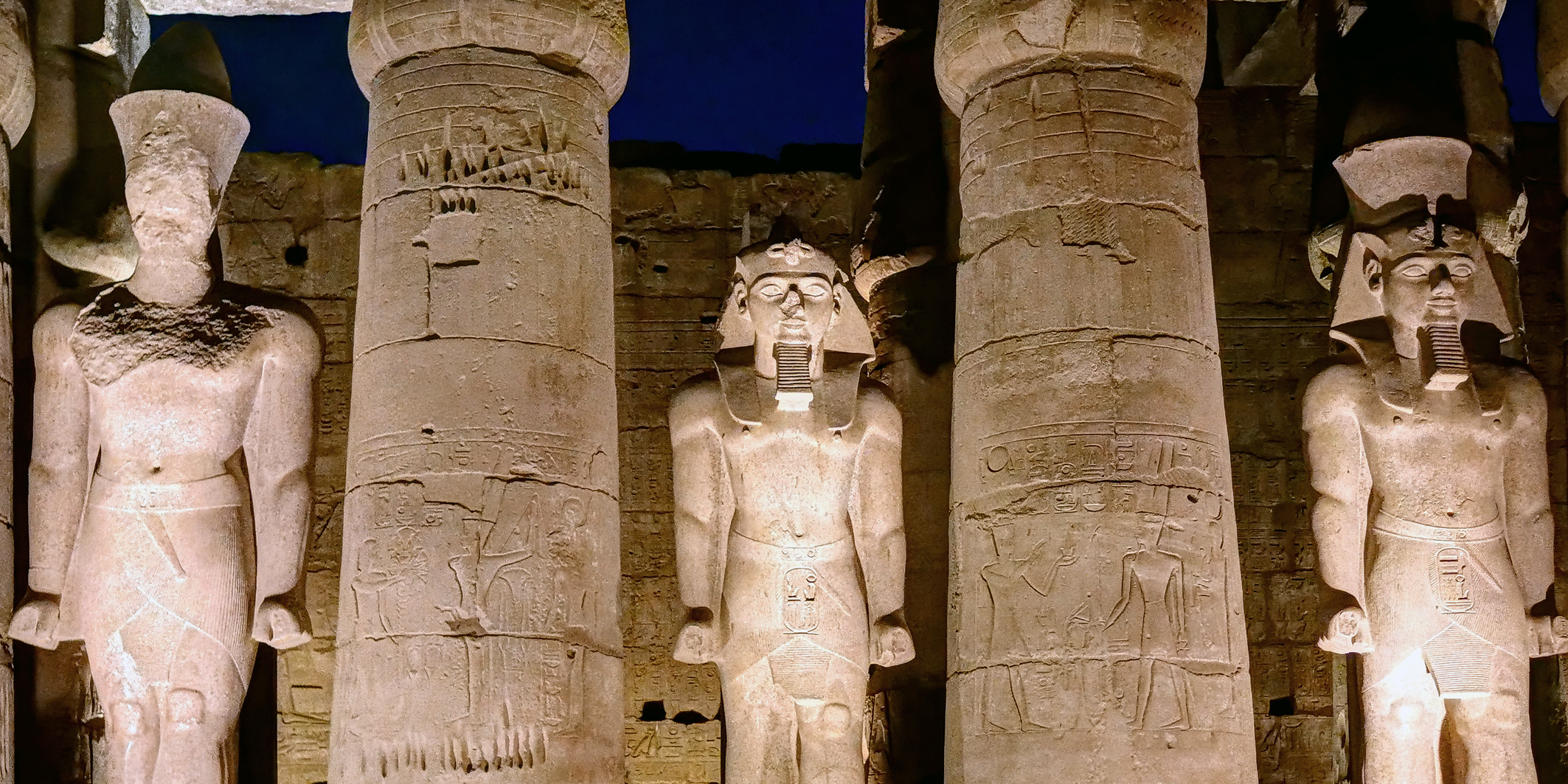
Photo 3: The so-called papyrus-bud columns of the eastern colonnade constructed by Ramesses II around his great court. Colossal statues bearing the king’s name stand between the columns in the areas where the people were allowed to congregate during religious processions.
Photo 4: The Superstar Pharaoh. Ramesses II was depicted in many larger-than-life monuments. While this solid stone statue stands 9 meters high, his actual biological hardware was much smaller: 1.75 m at his death at 90 years. He led 15 military campaigns and fathered an estimated 80 to 120 children—a biological strategy that ensured his lineage remained a dominant force in the Egyptian system. Because of his highly successful procreation attempts, it is quite likely that nearly every human today is a direct genealogical descendant of Ramesses II, even if his specific genetic code has been entirely overwritten by three millennia of biological updates.
Photo 5: The Hypostyle Hall. The now roofless hall reveals the skeleton of the temple’s interior. Without the original stone ceiling, the play of natural light illuminates the massive scale of the architecture that was once shrouded in sacred darkness.

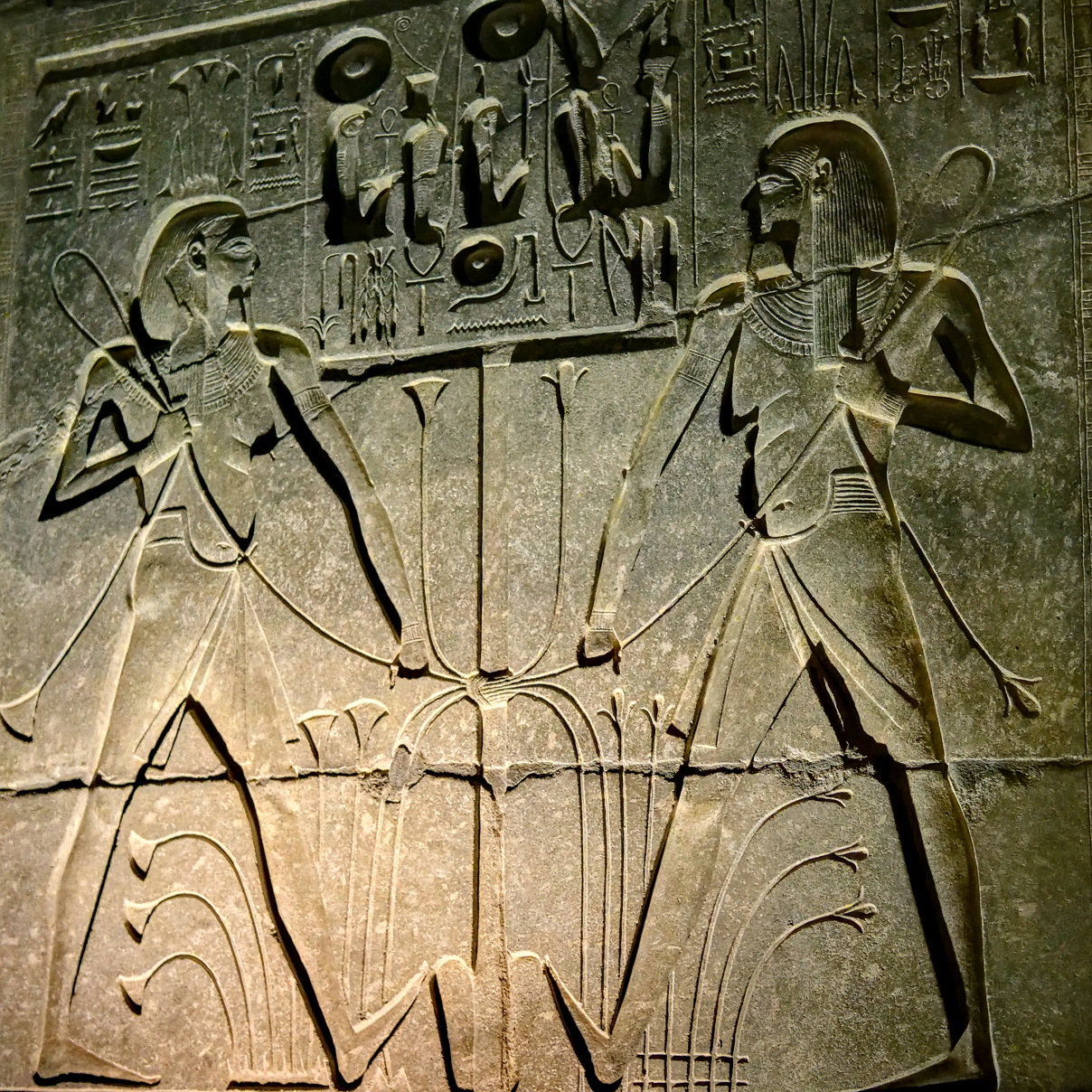
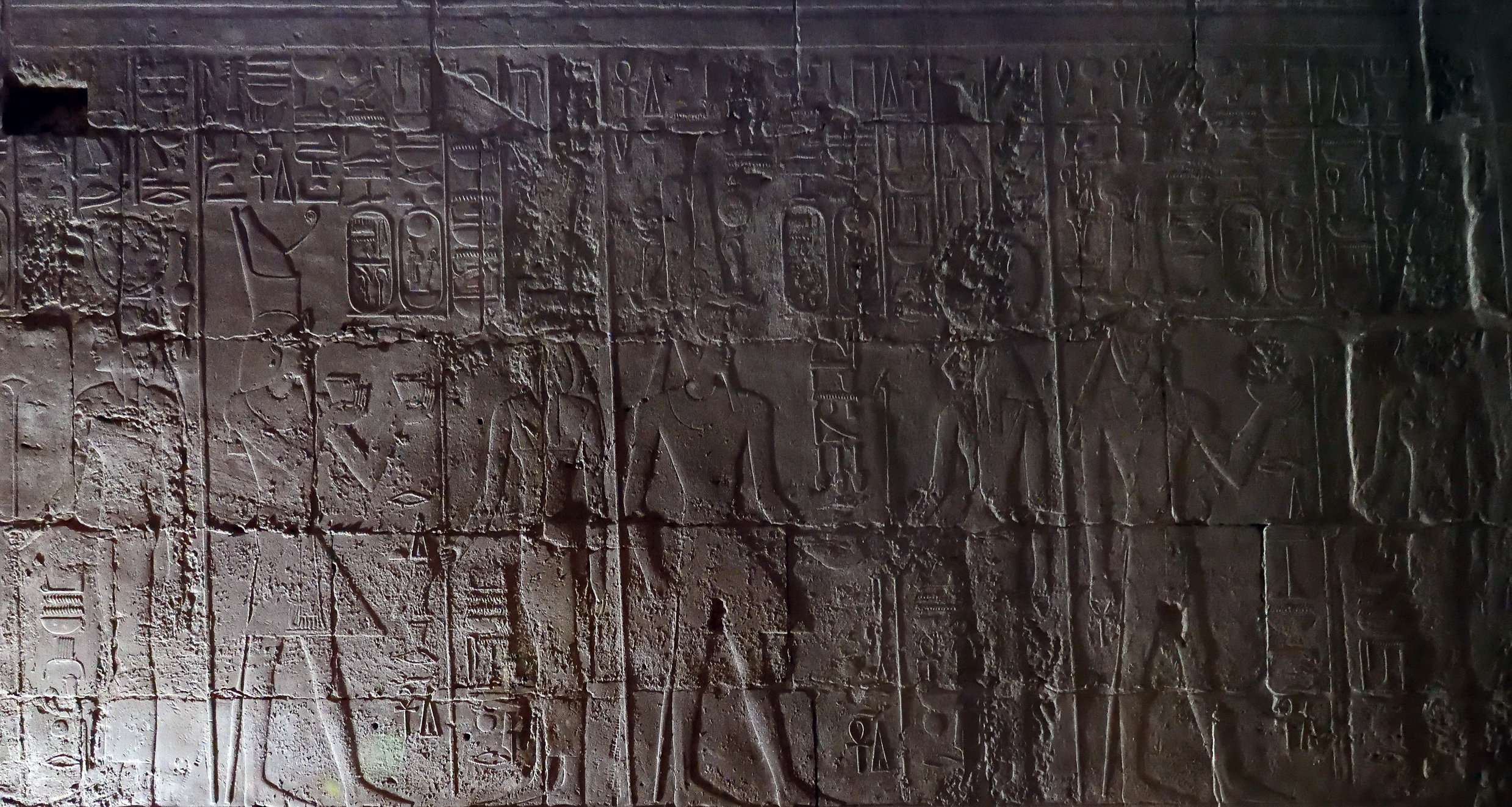


Photo 6: Columns of the Peristyle Court. These columns demonstrate the architectural style preferred by the New Kingdom. The repetition of these massive forms created a monumental background for the performance of the state’s most important rituals.
Photo 7: The Sema Tawy Ritual. This relief shows two figures of Hapi, the Nile god, binding the symbolic plants of Upper and Lower Egypt (lotus and papyrus) together. This ritual represents the core operating principle of the Egyptian state: two neighboring but geographically distinct regions tied into a single, balanced system of order.
Photo 8: The Divine Consultation. This interior relief from the era of Amenophis III shows the Pharaoh interacting with the deities. We can see the falcon-headed Ra-Horakhty and other deities processing towards the King. This scene represents the formal authorization of sovereignty, where the gods provide the spiritual legitimacy required for the head of the state to function as the supreme authority.
Photo 9: Obelisk and Pylon at Night. With the modern night lighting, the contemporary administration attempts successfully to revive the mystical atmosphere that surround the ancient grandeur of the single remaining obelisk and the pylon built by Ramesses II.
Photo 10: The Colossal Entrance at Night. Two statues of Ramesses II flank the entrance. In the dark, the shadows emphasize the imposing presence of the king who sought to ensure his image would survive any attempt at erasure.